
Open : 9:00am to 5:00pm weekdays


Office Address
4025 Pleasantdale Rd, Suite 250 Atlanta, GA 30340

Phone Number
404-298-1314

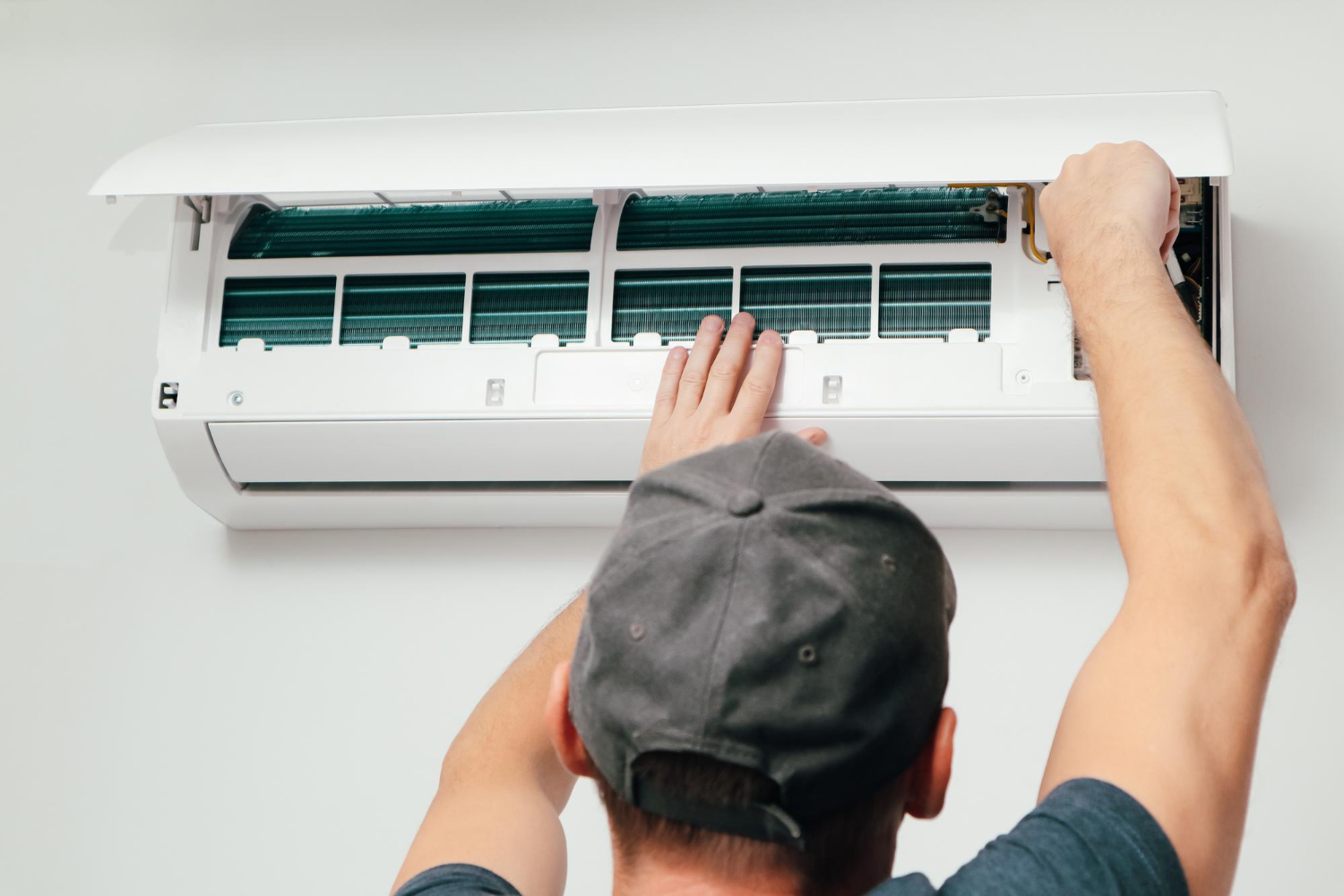
Few systems take more of a beating during Atlanta summers than your air conditioner, and the steady wear of long cooling seasons quietly chips away at performance long before you notice a problem. An AC unit tune up is the routine professional service that keeps that decline in check and protects the equipment from preventable failures.
Your air conditioner works hard to keep your home cool, but without regular care, it can break down when you need it most. An AC tune-up is a professional service where a technician inspects, cleans, and adjusts your system to keep it running efficiently and prevent unexpected problems. Most tune-ups cost between $65 and $200 and take about an hour to complete.
Regular hvac maintenance does more than just prevent breakdowns. It helps your system use less energy, which lowers your monthly bills. It also extends the life of your AC unit and catches small problems before they turn into expensive repairs.
This guide explains what happens during a professional tune-up and why it matters for your comfort and wallet. You'll learn what technicians check, how maintenance prevents common issues, and what improvements you can expect after service.
Keep reading to learn exactly what a quality tune up covers so you can spot value, avoid wasted spend, and protect your AC before peak summer demand arrives.
Summer breakdowns happen because small problems build up over time and only show up when your system works at full capacity. Most failures start weeks or months before the first heat wave, but the signs are easy to miss until temperatures spike.
Your AC doesn't fail overnight. Small issues like dust buildup on coils or a slightly dirty air filter create minor drops in performance that you won't notice right away.
These problems get worse over time. A dirty condenser coil reduces heat transfer by just a few percent at first. Your system compensates by running a bit longer. As more dirt accumulates, the coil blocks more airflow and your AC works harder to cool your home.
Refrigerant leaks follow the same pattern. A small leak might only lower cooling power by 5-10% initially. You might not feel the difference on a mild 75-degree day. But when temperatures hit 95 degrees, that same leak means your system can't keep up with demand.
Electrical connections loosen gradually from normal vibration. Capacitors weaken over months of use. These wear-and-tear issues don't cause immediate failure, but they put stress on other components until something breaks.
Your AC shows symptoms before it fails, but most people don't recognize them. You might notice your system runs longer than usual or struggles to reach the temperature you set.
Common warning signs include:
These signs appear during spring or early summer when outdoor temperatures are moderate. Your AC can still cool your home at 80 degrees outside, so the reduced performance seems normal. When the first 95-degree weekend arrives, the hidden problem becomes obvious. Catching these patterns early is one of the main goals of professional hvac system diagnostics atlanta calls.
Scheduled tune-ups catch developing problems before they cause breakdowns. A technician checks components that homeowners can't easily inspect, like refrigerant levels, electrical connections, and coil condition.
Preventive AC maintenance finds the small issues that turn into summer failures. Clean coils improve heat transfer efficiency. Tightened electrical connections prevent system shutdowns. Topped-off refrigerant restores full cooling capacity.
Most HVAC systems last 10-15 years with regular care. Without maintenance, the same system might fail after 7-10 years. Annual tune-ups also cost less than emergency repairs during heat waves.
The best time to schedule maintenance is spring, before temperatures rise. This gives you time to fix any problems the technician finds without dealing with an uncomfortable house.
During your AC maintenance checklist visit, technicians examine three critical areas that directly affect your system's performance. They clean coils to restore cooling power, verify refrigerant levels to maintain proper operation, and test electrical connections to prevent system failures.
Your AC's evaporator and condenser coils collect dirt, dust, and debris over time. This buildup acts like a blanket that blocks heat transfer and forces your system to work harder.
A technician removes the access panels to reach both coil sets. They use specialized brushes and cleaning solutions to remove accumulated grime without damaging the delicate aluminum fins. According to the U.S. Department of Energy, the thin aluminum fins on evaporator and condenser coils can bend and obstruct airflow, which is why qualified HVAC contractors use a fin comb during service to straighten them and protect system efficiency. The condenser coils outside need attention because they face constant exposure to leaves, grass clippings, and outdoor pollutants.
Clean coils help your AC cool your home faster while using less energy. When coils stay dirty, your system runs longer cycles and struggles to reach your target temperature. This extra strain increases your electric bills and shortens your equipment's life span.
Your air conditioner tune up service includes checking refrigerant levels to confirm your system has the right amount. Too little refrigerant means weak cooling, while too much can damage the compressor.
Technicians attach gauges to the service ports on your refrigerant lines. They compare the pressure readings to manufacturer specifications for your specific model. Low pressure signals a leak somewhere in the system that needs repair before adding more refrigerant.
If levels are low, the technician searches for leaks using electronic detectors or UV dye. They repair any leaks first, then add refrigerant to bring your system back to proper levels. Running with incorrect refrigerant amounts causes ice formation on coils and reduces your AC's ability to remove humidity from your home.
Loose or corroded electrical connections create safety hazards and cause system breakdowns. Technicians inspect every wire, terminal, and connection point in your AC system.
They check for signs of overheating like discolored wires or melted insulation. A voltage tester confirms that components receive the correct electrical supply. Loose connections get tightened to manufacturer specifications using a torque screwdriver.
The technician also tests your capacitors, which help start your compressor and fan motors. Weak capacitors make your AC struggle to turn on or cause it to shut down unexpectedly. They measure capacitance levels and replace any capacitors that fall outside acceptable ranges. When components have already failed, the next step is professional hvac repair services rather than a routine tune up.
During a standard AC tune-up, technicians often find problems that block or weaken airflow through your system. These issues make your home less comfortable and force your unit to work harder than it should.
Your air filter traps dust, pollen, and debris before they reach your AC's internal parts. When the filter gets clogged, air can't pass through easily. This forces your system to use more energy while delivering less cooling power to your rooms.
A blocked filter makes your AC strain with every cycle. You'll notice weaker airflow from your vents and rooms that never quite reach the temperature you set. Your energy bills climb as the system runs longer to compensate.
Technicians check your filter during maintenance and replace it if needed. Most filters need changing every 1-3 months depending on your home's dust level and whether you have pets. Guidance from the U.S. Environmental Protection Agency notes that upgrading the air filter in a central HVAC system can help capture fine particulate matter such as PM2.5 and improve indoor air quality, which is one reason filter quality matters beyond pure airflow. A clean filter lets air move freely and keeps your system running efficiently. For Atlanta homes that need a clear replacement timeline, this commercial ac filter change schedule lays it out in detail.
The blower motor pushes cooled air through your ducts and into your rooms. When it develops problems, you get weak airflow even with a clean filter. Dust buildup on the blower wheel, worn motor bearings, or a failing capacitor all reduce the blower's ability to move air.
Your technician inspects the blower assembly and cleans accumulated dirt from the fan blades. They test the motor's performance and check electrical connections. If the capacitor shows signs of weakness, they can replace it before it fails completely.
A struggling blower can't distribute cool air properly. Some rooms stay warm while others get barely any airflow. Catching these common ac problems early prevents a complete blower failure that would shut down your entire system.
Your AC removes moisture from the air as it cools. This water collects in a drain pan and flows out through a condensate drain line. Over time, algae, mold, and debris build up inside the drain line and create clogs.
A blocked drain causes water to back up in the pan. Most modern systems have a safety switch that shuts off the AC when water levels get too high. This protects your home from water damage but leaves you without cooling until the problem gets fixed.
During maintenance, your technician flushes the drain line with a cleaning solution to clear blockages. They also check the drain pan for cracks or rust and make sure the safety switch works correctly.
Regular maintenance keeps your AC running efficiently, which directly reduces your monthly energy bills. Clean components and proper airflow mean your system doesn't work as hard to cool your home.
Dust and debris make your AC work harder to produce the same cooling results. When dirt builds up on evaporator coils, condenser coils, and other parts, your system needs more electricity to transfer heat effectively.
Clean coils transfer heat much faster than dirty ones. This means your AC reaches your desired temperature quicker and cycles off sooner, using less power overall.
During a tune up, technicians clean all major components to restore peak efficiency. Routine cleaning is one of the simplest ways to protect the efficiency reflected in your system's seer rating over the long term. That translates to real savings on your monthly utility bills.
Air filters also play a major role in energy consumption. Clogged filters restrict airflow and force your system to run longer. Regular filter changes during seasonal maintenance keep air moving freely through your system.
When your AC struggles to move air through your home, every part works harder than necessary. Restricted airflow puts extra pressure on the blower motor, compressor, and other components.
A tune up includes checking and adjusting airflow throughout your system. Technicians inspect ductwork for leaks, verify fan speeds, and ensure proper ventilation. According to the U.S. Department of Energy, homeowners can lose up to 60% of conditioned air through uninsulated ducts running through unconditioned spaces such as attics or crawlspaces, which is why duct inspection during a tune up has such a direct impact on energy bills. These adjustments reduce mechanical strain and lower power consumption.
Your blower motor uses significant electricity when it has to push air through restricted passages. When technicians seal duct leaks and remove obstructions, your motor operates more efficiently and draws less power.
Proper refrigerant levels also affect how hard your system works. Low refrigerant forces your compressor to run longer cycles to achieve the same cooling. During an AC efficiency inspection, technicians verify refrigerant charge and make corrections if needed. Pairing routine tune ups with a smart thermostat gives you tighter control over runtime and further reduces wasted cooling.
HVAC seasonal maintenance before summer ensures your system starts the cooling season at maximum efficiency. Small problems caught early don't escalate into energy-wasting issues later. A spring hvac tune up gives technicians time to address findings before the first heat wave forces your system into peak demand.
Worn parts gradually reduce efficiency over time. A failing capacitor makes your motor work harder. Loose electrical connections create resistance that waste energy as heat. Technicians identify and fix these problems during routine visits, which is the same principle behind structured hvac preventative maintenance plans.
Systems that receive regular tune ups maintain consistent efficiency year after year. Without maintenance, efficiency drops steadily as components wear and dirt accumulates. This decline in performance shows up as higher energy bills each month.
Scheduling maintenance in spring prepares your AC for peak demand periods. Your system cools more effectively during hot weather when it's properly maintained, preventing the excessive runtime that drives up costs.
A complete AC tune-up delivers measurable changes in how your system performs daily. You'll notice faster cooling, reduced noise, and better reliability when temperatures climb.
Your AC will reach your target temperature faster after a tune-up. Clean coils and proper refrigerant levels allow the system to transfer heat more efficiently. When the technician clears dust and debris from the evaporator and condenser coils, your unit doesn't have to work as hard to cool your home.
A tuned system maintains consistent temperatures throughout your space. Calibrated thermostats and cleaned sensors read room temperatures accurately. This means fewer hot spots and less temperature swing between cycles.
Proper airflow from clean filters and blower components helps distribute cool air evenly. Your rooms reach comfortable levels in less time, and the system cycles on and off at normal intervals instead of running continuously.
Unusual noises from your AC often disappear after professional service. Rattling, buzzing, or grinding sounds typically come from loose parts, worn belts, or components that need lubrication. Technicians tighten electrical connections and secure panels during tune-ups.
Motor bearings receive proper lubrication to reduce friction and noise. Clean fan blades spin smoothly without wobbling or creating vibration. A balanced, well-maintained system runs at a steady hum rather than clanking or squealing.
You'll especially notice the difference at night when background noise is minimal. A quieter AC means better sleep and less disruption during phone calls or TV watching.
Tune-ups catch small problems before they become expensive failures. Technicians inspect electrical connections, refrigerant levels, and moving parts for signs of wear. They can replace a worn capacitor or fix a small refrigerant leak during routine service instead of waiting for a complete breakdown.
Your system is less likely to fail on the hottest days of summer when it's working hardest. Regular maintenance extends your AC's lifespan to around 15 years compared to units that receive no service.
Catching issues early saves money on emergency repair calls. A $150 tune-up prevents $1,000+ repairs from compressor failure or refrigerant line damage. If your unit is already past its useful life, that's the point at which homeowners typically weigh repair costs against full hvac installation services.
Getting an AC tune-up is a smart choice for your home. The cost ranges from $65 to $200, which is a small price to pay for the benefits you receive.
Regular maintenance keeps your air conditioner running efficiently and helps lower your energy bills. A trained technician will inspect, clean, and adjust your system to catch problems before they turn into expensive repairs.
You should schedule a tune-up once a year, ideally before summer starts. This timing ensures your system is ready when you need it most.
Think of AC maintenance like an oil change for your car. Both prevent bigger problems and keep things running smoothly. Your technician will follow a detailed checklist to make sure every part works correctly.
The money you spend on a tune-up pays for itself through energy savings and avoided repair costs. You'll also enjoy more reliable cooling and peace of mind knowing your system won't quit on the hottest day of the year.
Set up a maintenance schedule with a trusted HVAC company. Many offer service agreements that include annual visits and priority service if something goes wrong. To get your system inspected, cleaned, and ready for Atlanta's next cooling season, schedule your AC tune up with B. Tucker Heating & Air today.


