
Open : 9:00am to 5:00pm weekdays


Office Address
4025 Pleasantdale Rd, Suite 250 Atlanta, GA 30340

Phone Number
404-298-1314

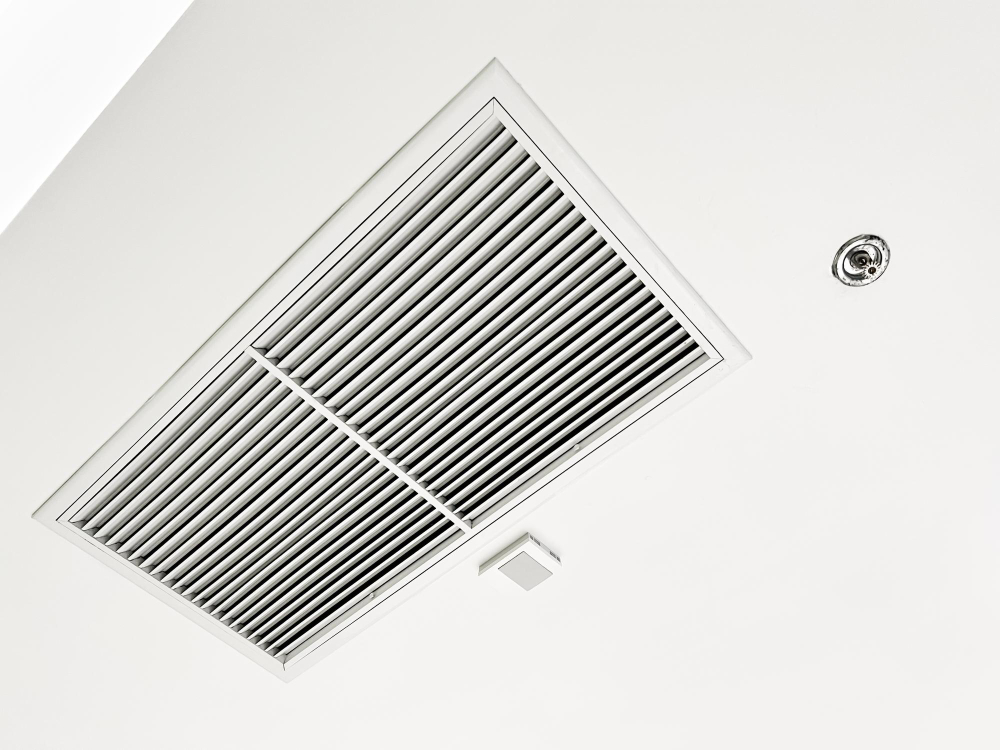
Your home's ventilation system plays a bigger role in your comfort and health than you might think. Many Atlanta homeowners deal with stuffy rooms, high humidity, and poor air quality without realizing their ventilation is the root cause. Proper ventilation services in Atlanta can help regulate humidity, improve indoor air quality, and create balanced airflow throughout your home.
Poor ventilation affects everything from your energy bills to the air you breathe every day. Older homes in the Metro Atlanta area often struggle with outdated systems that don't move air efficiently. This leads to problems like moisture buildup, uneven temperatures, and increased allergens inside your living spaces.
Getting your ventilation system checked and improved can make a real difference in how your home feels. Professional services can design solutions that work for your specific home, whether you need better attic ventilation, upgraded mechanical systems, or a complete airflow assessment. Understanding how ventilation works and when to call in experts will help you make smart choices for your home's comfort and efficiency.
In this article, we cover:
Keep reading to learn how professional ventilation improvements protect your Atlanta home from trapped heat, excess humidity, and rising energy costs.
Poor ventilation creates serious problems for Atlanta homeowners, from excessive heat buildup to strained HVAC systems. These issues affect your comfort, energy bills, and the structural integrity of your home.
Atlanta's hot and humid climate makes your attic vulnerable to extreme heat buildup. During summer months, temperatures in poorly ventilated attics can reach 150 degrees or higher.
This happens when hot air enters through your roof but has no way to escape. The heat gets trapped in your attic space and continues to build throughout the day. Your insulation absorbs this heat and transfers it into your living spaces below.
Without proper airflow, your attic becomes like a pressure cooker. The trapped heat damages roofing materials from the inside out. It also forces your air conditioning system to work harder to keep your home comfortable.
You can spot ventilation problems through several warning signs. High energy bills are often the first indicator that something is wrong with your attic airflow.
Common signs of poor ventilation:
Your air conditioning runs constantly but struggles to maintain comfortable temperatures. You might notice that upstairs rooms stay warmer than downstairs areas. Peeling paint on your exterior walls or ceiling stains can also point to ventilation issues.
Your HVAC system faces an uphill battle when your home lacks adequate ventilation. The trapped attic heat radiates down into your living spaces, raising indoor temperatures significantly.
This forces your air conditioner to run longer cycles to reach your desired temperature. The constant operation increases wear on system components and shortens the lifespan of your equipment. Your energy costs climb as the unit consumes more power trying to overcome the heat load.
Poor ventilation also creates uneven temperatures throughout your home. Your cooling system can't distribute air effectively when hot air accumulates in certain areas. This results in some rooms feeling comfortable while others remain uncomfortably warm.
Your attic's ventilation system directly affects your home's temperature, energy costs, and the lifespan of your HVAC equipment. Poor airflow in this space creates problems that extend throughout your entire house.
Heat builds up in your attic when warm air gets trapped without a way to escape. In Atlanta's climate, attic temperatures can reach 140-160 degrees Fahrenheit during summer months.
This extreme heat radiates down through your ceiling into your living spaces. Your air conditioner has to work harder to cool rooms below, even when set to the same temperature.
The heat transfer happens because most ceiling insulation can only slow down thermal movement, not stop it completely. When your attic stays 60-80 degrees hotter than outdoor temperatures, that heat finds its way inside.
Key temperature effects include:
Proper ventilation allows hot air to exit through vents near the roof peak while cooler air enters through lower intake vents. This creates continuous airflow that keeps attic temperatures closer to outside temperatures.
Many homes built before modern building codes have inadequate attic ventilation systems. These older properties often lack the proper balance of intake and exhaust vents needed for effective airflow.
Typical issues found in older Atlanta homes:
Some homes have power attic fans installed without enough intake vents to supply fresh air. This creates negative pressure that can pull conditioned air from your living spaces into the attic.
Other properties have attic spaces that were converted or modified without maintaining ventilation paths. Bathroom and kitchen exhaust fans sometimes vent directly into attics instead of outside, adding moisture and heat to an already problematic space.
Your HVAC system's performance depends partly on the temperature difference it must overcome. When your attic stays excessively hot, your air conditioner runs longer cycles to maintain comfortable indoor temperatures.
This extended runtime increases your energy bills and wears down system components faster. The compressor, blower motor, and other parts experience more stress when fighting against severe heat gain from above.
Ductwork running through hot attics also loses cooling efficiency. Air traveling through ducts can warm up by 10-20 degrees before reaching your rooms, wasting the energy spent to cool it.
Balanced attic ventilation in Atlanta homes reduces the thermal load on your HVAC equipment by 20-30 percent during peak summer months. Your system reaches the desired temperature faster and shuts off sooner, using less electricity per cooling cycle.
The reduced workload extends equipment lifespan by several years and decreases the frequency of repair calls. Your air conditioner's manufacturer warranty terms often require proper attic ventilation to remain valid.
Good airflow reduces humidity problems and removes pollutants that accumulate in closed spaces. Without proper ventilation, your home can trap allergens, odors, and moisture that affect both comfort and health.
Atlanta's humid climate creates challenges for maintaining comfortable indoor conditions. When air doesn't circulate properly, moisture builds up in your living spaces.
High humidity makes rooms feel warmer than they actually are. Your body struggles to cool itself through perspiration when the air already holds too much moisture. This leads to that sticky, uncomfortable feeling during summer months.
Stale air also carries odors from cooking, pets, and daily activities. These smells linger longer without fresh air exchange. Mold and mildew grow faster in humid, poorly ventilated areas like bathrooms and basements.
Poor air circulation affects temperature consistency throughout your home. Some rooms feel stuffier while others stay cooler, making it harder to maintain a comfortable environment.
Indoor air often contains more pollutants than outdoor air when ventilation is inadequate. According to the U.S. Environmental Protection Agency, studies have found that concentrations of common organic pollutants inside homes are typically two to five times higher than outdoor levels, regardless of whether the home is in a rural or industrial area.
Major indoor pollutants:
These pollutants circulate repeatedly through your home without proper air exchange. They settle on surfaces and get stirred up again by daily activities. Children and people with respiratory conditions are particularly sensitive to poor indoor air quality Atlanta residents face.
Fresh air dilutes indoor pollutants and carries them out of your home. Proper ventilation systems bring outdoor air inside while removing contaminated indoor air.
Consistent airflow prevents moisture accumulation that leads to mold growth. It also helps your HVAC system work more efficiently by distributing conditioned air evenly. Balanced ventilation maintains comfortable humidity levels between 30-50 percent.
Your breathing improves when pollutant concentrations stay low. Better air quality means fewer headaches, less fatigue, and reduced allergy symptoms. Good ventilation also removes excess carbon dioxide that builds up in occupied spaces.
Regular air exchange keeps your home fresher and more comfortable year-round.
Mechanical ventilation systems actively move air through your home using fans and ducts to maintain proper pressure and air quality. These systems work by exhausting stale air while bringing in fresh outdoor air at controlled rates, which helps manage moisture and pollutants that passive methods cannot handle effectively.
Exhaust fans pull humid air out of specific areas where moisture builds up quickly. Your bathroom and kitchen produce the most water vapor, which can lead to mold growth and structural damage if not removed properly.
A standard bathroom exhaust fan should move at least 50 cubic feet per minute (CFM) for typical-sized rooms. Kitchens need stronger fans, typically 100-300 CFM depending on your cooking habits and stove type.
Running these fans during and for 20 minutes after showers or cooking removes most excess moisture. Some homes in Atlanta install fans with humidity sensors that turn on automatically when moisture levels get too high. This prevents the damp conditions that encourage mold and dust mites.
Whole-home systems balance airflow throughout every room instead of just targeting problem areas. These include energy recovery ventilators (ERVs) and heat recovery ventilators (HRVs) that connect to your ductwork.
ERVs work well in humid climates because they transfer both heat and moisture between incoming and outgoing air. According to the U.S. Department of Energy, ERVs dehumidify outdoor air as it enters the home, making them particularly effective in humid regions where relying on the central air conditioner alone for moisture removal is inefficient. This keeps your home comfortable while using less energy to condition fresh air.
HRVs only transfer heat, making them better for drier climates. Both systems run continuously at low speeds to maintain steady air circulation solutions Atlanta homes need for consistent indoor air quality. Your HVAC contractor can calculate the right ventilation rate based on your home's size and occupancy.
Passive ventilation relies on natural airflow through windows, vents, and building gaps. This method fails in tightly sealed modern homes that prevent enough air exchange.
You need mechanical ventilation if your home shows signs of poor air quality like persistent odors, condensation on windows, or stuffiness. Homes built after 2000 typically have better insulation and sealing, which reduces energy waste but blocks natural airflow.
Mechanical systems also become necessary when outdoor air quality is poor or when you need precise control over humidity levels. Atlanta's humid summers make it difficult to rely on open windows without bringing in excess moisture and allergens.
A well-designed ventilation system cuts energy waste while maintaining fresh air circulation throughout your home. Proper system design reduces the workload on your HVAC equipment and lowers monthly utility bills.
Balanced airflow means your ventilation system brings in the same amount of fresh air as it exhausts stale air. This balance prevents pressure imbalances that force your HVAC system to work harder than necessary.
When air pressure stays even, your heating and cooling systems don't struggle to push conditioned air through your ductwork. Unbalanced systems create negative or positive pressure that makes your HVAC unit cycle more frequently.
HVAC ventilation services Atlanta providers install dampers and controls that maintain proper airflow rates. These components adjust automatically based on outdoor conditions and indoor air quality needs. Your system runs only as much as needed instead of constantly operating at full capacity.
Atlanta summers place heavy demands on cooling systems. According to the U.S. Department of Energy, the average American household spends over $2,200 per year on energy, with heating, ventilation, and air conditioning accounting for close to half of that total. Energy-efficient ventilation reduces this burden by managing heat transfer strategically.
Energy recovery ventilators (ERVs) capture cool air before it exits your home and use it to pre-cool incoming fresh air. This process means your air conditioner doesn't start from scratch with every air exchange. You save money because less energy goes toward cooling hot outdoor air to comfortable temperatures.
Modern ventilation controls also adjust fresh air intake based on outdoor temperature. During cooler morning and evening hours, your system brings in more outside air. When afternoon temperatures peak, the system reduces intake and relies more on filtered recirculated air.
Optimized ventilation systems deliver savings that compound over years of operation. Your HVAC equipment lasts longer because it runs fewer cycles and experiences less wear.
Key long-term advantages include:
Professional system design accounts for your home's specific layout, insulation levels, and occupancy patterns. This customization ensures your ventilation works with your HVAC system rather than against it. Regular maintenance keeps the system running at peak efficiency and preserves your initial investment.
Professional ventilation services ensure your home receives proper airflow through accurate problem diagnosis, customized system design, and expert installation that addresses the root causes of poor air quality.
Identifying ventilation issues requires specialized knowledge and equipment that most homeowners don't have. Trained technicians use diagnostic tools to measure air pressure, humidity levels, and airflow patterns throughout your home. They can spot problems like blocked vents, undersized ductwork, or improperly balanced systems that you might miss.
A professional assessment reveals whether your ventilation problems stem from poor system design or damaged components. Technicians check for issues like insufficient fresh air intake, excessive humidity buildup in specific rooms, or stale air pockets in closed-off spaces. They also test for negative pressure conditions that can pull in unwanted outdoor air through small gaps and cracks.
These experts understand how different factors affect home ventilation in Atlanta's climate. They account for seasonal changes, local humidity patterns, and your home's specific construction when identifying problems.
Every home needs a ventilation approach based on its unique layout and construction. Single-story homes require different solutions than multi-level houses with complex ductwork systems. Older Atlanta homes often need upgraded systems to meet modern air quality standards.
Professional services design ventilation systems that match your floor plan and usage patterns. They determine the right placement for intake and exhaust vents based on room sizes, window locations, and existing HVAC infrastructure. Specialists also calculate the proper ventilation capacity needed for your square footage and number of occupants.
Your home might benefit from whole-house ventilation, targeted exhaust fans, or energy recovery ventilators depending on your needs. Professionals select equipment that works efficiently with your current heating and cooling systems without creating conflicts or wasting energy.
Proper installation ensures your ventilation system works correctly from day one and continues functioning for years. Professional installers follow manufacturer specifications and local building codes to avoid common mistakes that lead to system failures. They properly seal all connections, balance airflow between rooms, and integrate new ventilation with existing ductwork.
Expert technicians know how to size ducts correctly, position vents for optimal air circulation, and set up controls that maintain consistent indoor air quality. They prevent problems like condensation buildup, insufficient air exchange rates, or systems that run inefficiently and waste energy.
Poor installation often causes recurring problems that require repeated service calls and expensive repairs. Professional work eliminates these issues through proper equipment selection, correct sizing calculations, and quality craftsmanship during installation.
Your home's air quality depends on proper ventilation. A good ventilation system removes stale air and brings in fresh outdoor air. This helps control humidity and reduces indoor pollutants.
Atlanta's climate creates unique challenges for homeowners. Hot summers and variable humidity levels make ventilation even more important. Without proper airflow, your home can develop problems with moisture, mold, and poor air quality.
Professional ventilation services in Atlanta can assess your current system. They install new systems or improve existing ones to meet your specific needs. These experts understand local building codes and climate conditions.
You should consult with licensed professionals when planning ventilation improvements. They can design solutions that work for your home's layout and your family's needs. Many local companies offer comprehensive services from inspection to installation.
Regular maintenance keeps your ventilation system working efficiently. Schedule inspections to catch problems early. This protects your investment and ensures your home stays comfortable year-round.
Taking action on ventilation now prevents bigger problems later. Contact B Tucker today to schedule a ventilation assessment for your home.


