
Open : 9:00am to 5:00pm weekdays


Office Address
4025 Pleasantdale Rd, Suite 250 Atlanta, GA 30340

Phone Number
404-298-1314

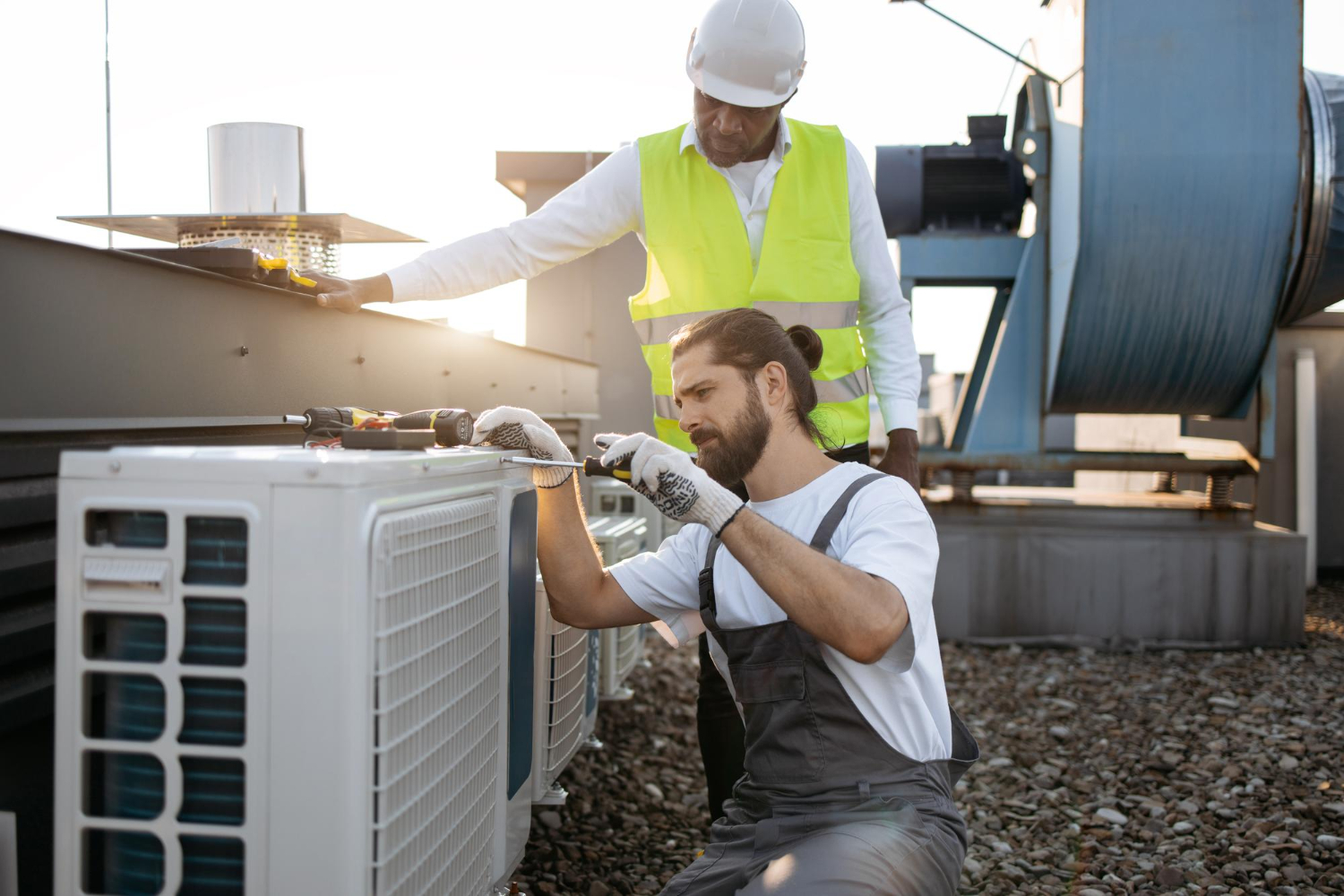
Your HVAC system works hard to keep your home or business comfortable throughout Atlanta's hot summers and chilly winters. Over time, older systems lose efficiency and struggle to maintain the right temperature. Upgrading your HVAC system can lower your energy bills, improve indoor air quality, and provide more reliable heating and cooling year-round.
Many Atlanta homeowners and business owners don't realize when their system needs replacing. Your unit might be making strange noises, running constantly, or causing uneven temperatures in different rooms. These signs often mean it's time to explore your upgrade options.
This guide walks you through everything you need to know about HVAC upgrades in Atlanta. You'll learn about different upgrade options for homes and businesses, how to choose the right system for your needs, and ways to maintain your new equipment.
Here's what you need to know:
Keep reading! Making an informed decision now can save you money and stress for years to come.
Your heating and cooling system plays a major role in your home's comfort and energy costs. Knowing when to upgrade and what benefits you'll gain helps you make a smart decision for your Atlanta home.
Your HVAC system gives clear signals when it's time for a replacement. If your system is older than 15 years, it's likely using outdated technology that wastes energy and money.
Rising energy bills often indicate your system works harder to maintain comfortable temperatures. You might notice some rooms feel too hot while others stay cold, showing your system can't distribute air evenly anymore.
Strange noises like grinding, squealing, or banging point to worn parts that could fail soon. Excessive dust in your home means your system no longer filters air properly.
Frequent repairs add up quickly. When repair costs reach half the price of a new system, upgrading makes more financial sense.
New HVAC systems offer precise temperature control in every room of your home. You'll feel the difference immediately with consistent heating and cooling throughout the day.
Modern systems include advanced air filtration that removes allergens, dust, and pollutants. This creates healthier indoor air for your family.
Smart technology features let you control your system from your phone and create custom schedules. You can adjust temperatures before you get home or check energy usage from anywhere.
Newer systems run quieter than older models. You won't hear constant rattling or humming during operation.
Warranty coverage on new systems protects you from unexpected repair costs for years. Most manufacturers offer 10-year warranties on major components.
High-SEER2 rated systems use significantly less electricity than older units while cooling your home. In Atlanta's hot climate, this translates to substantial savings on summer cooling bills.
Dual-fuel heat pumps provide efficient heating during mild winters and switch to backup heat only when needed. This flexibility reduces energy waste throughout the year.
Proper ductwork sealing prevents cooled or heated air from escaping into attics and crawl spaces. Many Atlanta homes lose 20-30% of conditioned air through leaky ducts.
Sealing and insulating leaky ducts can improve HVAC performance because leaky ductwork can reduce heating and cooling system efficiency by as much as 20%, according to the U.S. EPA.
Modern compressors adjust their speed based on your home's needs instead of running at full power constantly. This variable-speed technology cuts energy use while maintaining comfort.
Federal tax credits and state utility rebates help offset upgrade costs. Atlanta homeowners can save thousands on qualifying high-efficiency systems.
Upgrading your home's HVAC system involves several key improvements that can increase comfort and reduce energy costs. Modern replacement units, updated heating equipment, and automated controls offer significant benefits over older systems.
Replacing an outdated air conditioner can cut your cooling costs by 20-40% compared to units that are 10-15 years old. Modern air conditioning systems use advanced refrigerants and variable-speed compressors that adjust output based on your home's needs.
Professional installation ensures your new system is properly sized for your square footage. An oversized unit cycles on and off too frequently, while an undersized system runs constantly without reaching your desired temperature. Both scenarios waste energy and money.
New AC units also include improved air filtration systems that remove dust, pollen, and other allergens. Many models offer multi-stage cooling and dehumidification features that maintain consistent temperatures throughout your home. Energy Star certified units meet strict efficiency guidelines and may qualify for utility rebates or tax credits.
Modern furnaces and heat pumps operate at 90-98% efficiency, compared to 60-70% for systems installed before 2000. This means more of your energy dollars go toward heating your home instead of escaping through the exhaust.
Heat pumps provide both heating and cooling using one system. They transfer heat rather than generate it, making them highly efficient in moderate climates. Dual-fuel systems combine a heat pump with a gas furnace backup for extreme cold days.
Heat pumps can be highly efficient because, when properly installed, an air-source heat pump can deliver up to two to four times more heat energy to a home than the electrical energy it consumes, according to the U.S. Department of Energy (DOE).
Variable-speed blowers adjust airflow based on demand, eliminating the hot and cold spots common with older single-speed systems. Sealed combustion furnaces draw air from outside rather than your living space, improving indoor air quality and safety.
Smart thermostats learn your schedule and adjust temperatures automatically to minimize energy waste. You can control settings remotely through smartphone apps, making adjustments from anywhere.
These devices provide detailed energy reports showing when and how your system runs. Most models integrate with voice assistants and home automation platforms for seamless control. Geofencing features detect when you leave home and adjust temperatures accordingly.
Smart thermostats can reduce heating and cooling costs by 10-23% annually through optimized scheduling and automated adjustments. Many utility companies offer rebates for installing these devices.
Business owners can reduce energy costs and improve indoor comfort through strategic system upgrades. Professional contractors in Atlanta offer installation services, energy-saving equipment options, and maintenance plans designed for commercial properties.
Light commercial spaces like small offices, retail shops, and restaurants need properly sized HVAC systems to maintain comfortable temperatures for customers and employees. Professional installers assess your building's square footage, insulation levels, and occupancy patterns to select the right equipment capacity.
Your installation includes new ductwork design, thermostat placement, and unit positioning that maximizes airflow throughout your space. Contractors handle permit applications and ensure all work meets local building codes in Atlanta.
Modern light commercial systems feature compact designs that fit in tight mechanical rooms or rooftop locations. The installation process typically takes 2-5 days depending on your building size and existing infrastructure. You'll receive training on basic system operations and warranty documentation after the work is complete.
Energy-efficient HVAC Atlanta contractors replace outdated equipment with high-efficiency models that lower monthly utility bills. Variable-speed compressors and motors adjust cooling output based on actual demand rather than running at full capacity constantly.
Upgrading to systems with SEER ratings above 16 can reduce cooling costs by 20-40% compared to older 10 SEER units. Heat pumps offer both heating and cooling in a single system, which works well in Atlanta's moderate winters.
Commercial HVAC services Atlanta providers install programmable controls that automatically adjust temperatures during off-hours. Smart thermostats connect to your smartphone so you can monitor energy use and make adjustments remotely. These upgrades often qualify for utility rebates that offset initial costs.
Upgrade Type
Typical Energy Savings
High-efficiency units (SEER 16+)
20-40%
Variable-speed systems
25-35%
Smart controls
10-15%
Regular maintenance prevents unexpected breakdowns and keeps your commercial HVAC system running efficiently for 15-20 years instead of 10-12 years without care. Service contracts include quarterly or bi-annual visits where technicians clean coils, check refrigerant levels, and replace worn parts.
You'll avoid emergency repair costs by catching small problems before they damage expensive components like compressors or heat exchangers. Maintenance visits include filter changes, belt inspections, and electrical connection testing.
Your service plan should cover priority scheduling if repairs become necessary. Technicians keep detailed records of all maintenance work, which helps track equipment performance over time. Clean, well-maintained systems use 15-20% less energy than neglected equipment and provide more consistent temperature control throughout your building.
Making smart decisions about your HVAC upgrade requires balancing your budget, selecting equipment that fits your home's needs, and finding qualified professionals to handle the installation.
HVAC upgrades in Atlanta typically range from $5,000 to $15,000 depending on your home size and system type. Your total cost depends on factors like equipment brand, energy efficiency ratings, ductwork modifications, and installation complexity.
Most HVAC companies offer financing plans to spread payments over time. You can choose from options like zero-interest financing for 12-24 months or longer payment plans with fixed monthly rates. Some providers also work with third-party lenders to offer flexible terms.
Energy-efficient systems may cost more upfront but reduce your monthly utility bills. Look for systems with high SEER ratings (16 or above) to maximize long-term savings. You might also qualify for local utility rebates or federal tax credits when installing high-efficiency equipment.
Qualified homeowners may be able to offset upgrade costs because the IRS states the Energy Efficient Home Improvement Credit can be up to $3,200 for eligible improvements made after January 1, 2023, and claimed for improvements made through December 31, 2025 (subject to credit rules and limits)..
Get written quotes from at least three companies before deciding. Make sure each quote includes equipment specifications, labor costs, warranty details, and any necessary permits or modifications to your existing system.
Your home's square footage determines the system size you need, measured in tons of cooling capacity. A typical Atlanta home requires 1 ton of cooling for every 400-600 square feet. Oversized systems cycle on and off too frequently, while undersized units struggle to maintain comfortable temperatures.
Atlanta's hot, humid climate demands systems that handle both cooling and dehumidification well. Consider features like variable-speed air handlers and two-stage compressors for better humidity control and energy efficiency.
Your existing ductwork condition affects system performance. Older homes may need duct sealing, insulation upgrades, or complete replacement to achieve optimal efficiency. Smart thermostats and zoning systems give you precise temperature control in different areas of your home.
Licensed technicians must hold proper Georgia state certifications and EPA credentials for handling refrigerants. Verify your contractor's license status through the Georgia Secretary of State's website before signing any contracts.
Look for companies with established local reputations and multiple years of experience in the Atlanta market. Check online reviews, ask for references, and confirm they carry proper liability insurance and workers' compensation coverage.
Quality installers perform load calculations to determine exact system requirements for your home. They should explain equipment options clearly, answer your questions, and provide detailed written estimates. Avoid contractors who pressure you into immediate decisions or suggest equipment without assessing your specific needs.
Your HVAC system needs different care throughout the year to handle Atlanta's changing weather. Regular seasonal maintenance keeps your system running efficiently and helps you avoid costly breakdowns when you need heating or cooling the most.
Start your summer prep in March or early April before temperatures rise. Schedule a professional AC inspection and tune-up to catch problems early. A technician will check refrigerant levels, clean the evaporator and condenser coils, and test system controls.
Replace your air filter with a fresh one to maintain good airflow. Dirty filters force your system to work harder and waste energy.
Clear debris, leaves, and grass clippings from around your outdoor unit. Keep at least two feet of clearance on all sides. Check the condensate drain line for clogs by pouring a cup of water through it. A blocked drain can cause water damage inside your home.
Test your thermostat to confirm it switches your AC on properly. Clean the area around your indoor vents and registers to ensure air flows freely through your home.
Schedule heating system maintenance in September or October before cold weather arrives. Professional service includes inspecting your heat exchanger, testing safety controls, and checking for gas leaks if you have a furnace.
Your technician will tighten electrical connections and lubricate moving parts. They'll also test your system's ignition and verify proper airflow throughout your ductwork.
Change to a new air filter at the start of heating season. Check your thermostat settings and switch from cooling to heating mode. Test your system by turning up the temperature a few degrees to make sure heat comes on.
Look at your vents and registers to confirm nothing blocks them. Furniture or curtains covering vents reduce efficiency and create uneven heating.
Monthly tasks:
Quarterly tasks:
Schedule professional maintenance twice per year. Spring service prepares your AC for summer, while fall service gets your heating ready for winter. These tune-ups typically include a 40-point inspection, filter replacement, and system cleaning.
Keep records of all maintenance and repairs. This documentation helps track your system's performance and proves valuable if warranty claims arise.
Your HVAC system plays a major role in keeping your Atlanta home comfortable year-round. Upgrading your heating and cooling equipment brings real benefits that you'll notice right away.
When you choose the right contractor for your upgrade, you get proper equipment sizing and professional installation. This ensures your new system works the way it should from day one.
Atlanta's climate puts stress on HVAC systems throughout the year. Hot, humid summers and cold winter nights mean your equipment works hard. A new, efficient system handles these demands better than older units.
You should look for contractors who offer clear pricing, quality equipment options, and reliable service. Check their licensing, insurance, and customer reviews before making your decision.
The investment in an HVAC upgrade pays off through lower utility costs and improved comfort. Your new system will serve your home well for many years when properly maintained.
Request an on-site HVAC upgrade consultation with B. Tucker HVAC so a licensed technician can size the right system for your space and provide a written estimate for an energy-efficient installation in Atlanta.


