
Open : 9:00am to 5:00pm weekdays


Office Address
4025 Pleasantdale Rd, Suite 250 Atlanta, GA 30340

Phone Number
404-298-1314

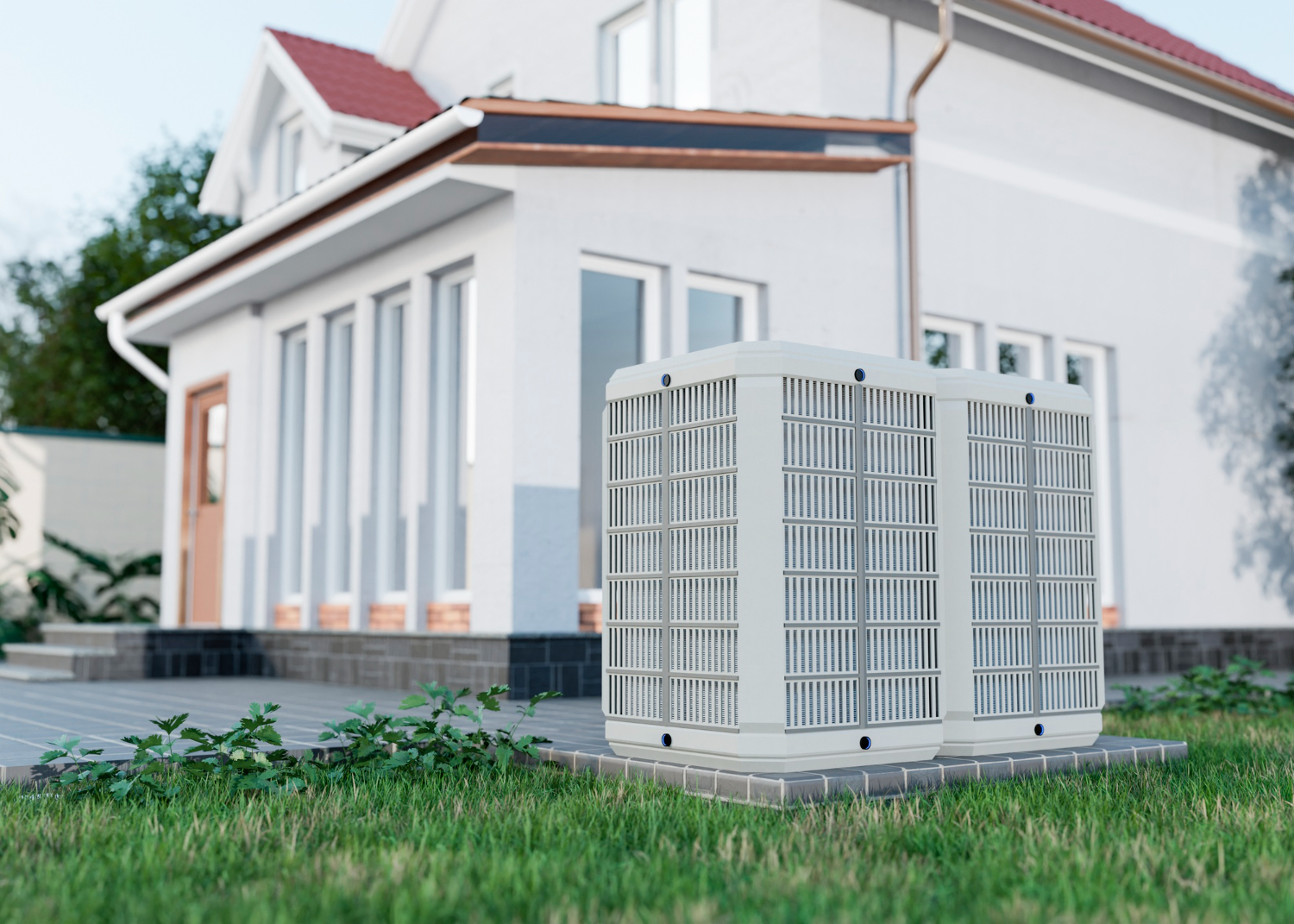
HVAC preventative maintenance includes routine checks, cleaning, and small repairs that keep your system running smoothly and help you avoid expensive breakdowns.
Your heating and cooling system works hard every day to keep your home comfortable. Without regular care, it can break down when you need it most and cost you more money on energy bills.
Most homeowners don't think about their HVAC system until something goes wrong. A furnace that stops working in winter or an air conditioner that fails in summer can mean discomfort and emergency repair bills. Regular maintenance catches small problems before they turn into big ones.
This guide will walk you through what preventative maintenance involves, what tasks you should complete each season, and how to decide if a maintenance plan makes sense for your home.
Here's what you need to know:
Keep reading! You'll learn simple steps that can extend your system's life and lower your monthly costs.
HVAC preventative maintenance includes regular inspections, cleaning, and servicing that keeps your heating and cooling system working properly. This approach helps you avoid breakdowns, lower your energy bills, and make your equipment last longer.
HVAC preventative maintenance is a scheduled plan of service tasks performed on your heating, ventilation, and air conditioning system. These tasks happen before problems occur, not after something breaks.
The main purpose is to keep your system running at peak performance. Regular maintenance catches small issues before they turn into expensive repairs. Your HVAC system has many moving parts that need attention to work correctly.
Most plans include twice-yearly visits from a technician. They inspect components, clean parts, check refrigerant levels, and test system performance. This schedule matches up with seasonal changes when you switch between heating and cooling.
Preventative care also improves your indoor air quality by keeping filters clean and preventing mold or bacteria growth. Your system uses less energy when it's properly maintained, which reduces your monthly utility costs.
Preventative maintenance happens on a regular schedule whether your system has problems or not. Repairs only happen when something breaks or stops working correctly.
Maintenance costs less because technicians perform simple tasks like cleaning and adjustments. Repairs can be expensive since they involve replacing broken parts or fixing damage. When you skip maintenance, you typically face more frequent repairs.
Scheduled maintenance takes less time than emergency repairs. A routine tune-up usually takes one to two hours. Emergency repairs can take much longer and often happen at inconvenient times.
Preventative service extends your equipment's lifespan by 5 to 15 years. Repair-only approaches lead to earlier system replacement because problems compound over time.
You can handle basic maintenance tasks yourself throughout the year. These include changing air filters every 1-3 months, keeping outdoor units clear of debris, and checking thermostat batteries. You should also clean vents and registers and make sure nothing blocks airflow.
During peak heating or cooling seasons, the DOE recommends cleaning or replacing HVAC filters monthly to help lower heating and cooling bills and extend equipment life, according to the U.S. Department of Energy (DOE).
Professional technicians should perform technical maintenance twice per year. They have specialized tools and training to check refrigerant levels, test electrical connections, inspect heat exchangers, and calibrate thermostats. Spring and fall are the best times to schedule these visits.
Some tasks require a licensed HVAC contractor by law. Anything involving refrigerant, gas lines, or electrical wiring needs professional attention. Attempting these tasks yourself can damage your system or create safety hazards.
A combined approach works best for most homeowners. You handle simple monthly tasks while professionals perform detailed inspections and technical service.
A good HVAC maintenance checklist includes regular checks of air filters, ductwork, thermostats, and refrigerant systems. Each component plays a specific role in keeping your system running well and preventing breakdowns.
Air filters trap dust, pollen, and other particles before they enter your HVAC system. When filters get clogged, your system works harder and uses more energy.
You should check your air filters every month. Most standard filters need replacement every 1-3 months, depending on your home conditions. If you have pets, allergies, or live in a dusty area, you may need to change filters more often.
Your HVAC filter replacement schedule depends on the filter type:
Mark your calendar or set phone reminders to check filters on the same day each month. During peak cooling or heating seasons, inspect filters more frequently. A dirty filter can reduce airflow by up to 15% and increase your energy bills.
Your ductwork carries heated or cooled air throughout your home. Leaks, blockages, or damage in ducts waste energy and reduce comfort.
Check all vents and registers to make sure nothing blocks the airflow. Remove any furniture, curtains, or objects within two feet of vents. Look for visible dust buildup around vent covers, which signals poor filtration or dirty ducts.
Inspect exposed ductwork in basements, attics, and crawl spaces for gaps, holes, or disconnected sections. Feel for air leaks by holding your hand near duct joints when the system runs. Professional duct cleaning every 3-5 years removes accumulated debris and improves air quality.
Watch for these warning signs that indicate duct problems:
Your thermostat controls when your HVAC system turns on and off. An uncalibrated thermostat can cause temperature swings and waste energy.
Test your thermostat accuracy by placing a separate thermometer near it. Wait 15 minutes, then compare the readings. If they differ by more than one degree, your thermostat may need recalibration or replacement.
Clean dust from the thermostat cover and check that it sits level on the wall. Make sure no heat sources like lamps or sunlight affect its readings. Programmable and smart thermostats need fresh batteries once or twice per year.
Review your temperature settings seasonally. Set your thermostat to 68°F in winter and 78°F in summer for the best balance of comfort and efficiency.
Refrigerant absorbs heat from your indoor air and releases it outside. Low refrigerant levels mean your system cannot cool properly and may damage the compressor.
Only licensed technicians should check and adjust refrigerant levels. They use specialized gauges to measure pressure and add refrigerant if needed. Your system should not lose refrigerant under normal conditions, so low levels usually indicate a leak.
The compressor pumps refrigerant through your AC system. Listen for unusual noises like grinding, squealing, or clicking from the outdoor unit. Check that the unit stays clean and has at least two feet of clear space around it.
Your technician will inspect electrical connections, measure voltage, and test the compressor's starting components. They also check for oil leaks and verify proper pressure readings. Most compressor problems develop slowly, so annual professional inspections catch issues before they cause system failure.
Your HVAC system needs different care depending on the time of year. Spring preparation focuses on your cooling equipment, while fall maintenance gets your heating system ready for winter.
Schedule your air conditioning tune-up in March or April before temperatures rise. A technician will check refrigerant levels and test for leaks in the system. They'll clean the outdoor condenser coils to remove dirt, leaves, and debris that built up over winter.
Regular AC upkeep matters because neglecting key items like filters, coils, and fins leads to reduced performance and higher energy use, according to the U.S. Department of Energy (DOE).
The evaporator coils inside your home also need cleaning. Dirty coils make your system work harder and use more energy.
Your technician will inspect electrical connections and tighten any loose wires. They'll test the capacitor and contactor, which are parts that often fail during hot weather. The condensate drain line gets flushed to prevent water backups and mold growth.
Key spring maintenance tasks:
The technician will run your AC through a full cooling cycle. This helps catch problems before you need the system every day.
Your heating system needs a tune-up in September or October. A technician will inspect the heat exchanger for cracks or damage. Cracks can leak carbon monoxide into your home, making this a critical safety check.
For fuel-burning systems, the CDC advises homeowners to have the furnace inspected every year as a core safety step, according to the CDC.
They'll test your furnace ignition system and clean the burners. Dirty burners create uneven flames and waste fuel. The blower motor and fan get cleaned and adjusted for proper airflow.
Fall heating system checks:
Your technician will measure temperature rise across the heat exchanger. This tells them if your furnace is heating efficiently. They'll also check belt tension and look for unusual sounds during operation.
You don't need professional service every month, but simple checks help between tune-ups. Change your air filter every 1-3 months depending on your home. Homes with pets or allergies need more frequent changes.
Walk outside monthly to check your outdoor unit. Remove leaves, grass clippings, and debris from around the condenser. Keep plants trimmed at least two feet away from all sides.
Listen for strange noises when your system runs. Grinding, squealing, or banging sounds mean you need repairs. Check your vents monthly to make sure furniture or curtains aren't blocking airflow.
During off-season months, run your system briefly. Turn on your AC for 15 minutes once a month in winter. This keeps parts lubricated and prevents seals from drying out.
Regular HVAC maintenance keeps your system running smoothly and saves you money in the long run. These scheduled check-ups catch small problems early, boost performance, and protect your investment.
Your HVAC system works harder when it's dirty or poorly maintained. Dust buildup on coils, clogged filters, and worn parts force the system to use more energy to heat or cool your home.
Preventive maintenance keeps all components clean and working properly. A technician will replace air filters, clean coils, and check refrigerant levels. These simple tasks help your system run at peak efficiency.
You can expect to see real savings on your monthly utility bills. Even a small drop in efficiency adds up over time, especially during summer and winter when your system runs the most. A well-maintained system uses 15-20% less energy than a neglected one.
Your HVAC system does more than control temperature. It also filters the air you breathe every day.
Dirty filters and ductwork spread dust, pollen, and other particles throughout your home. This can trigger allergies, asthma, and other breathing problems. Regular maintenance includes replacing filters and cleaning system components that affect air quality.
A clean system removes more pollutants from your indoor air. Technicians check for mold growth, clean drain lines, and ensure proper ventilation. These steps keep your air fresh and healthy for your family.
HVAC systems cost thousands of dollars to replace. Preventive maintenance protects this investment by extending how long your system lasts.
Regular inspections catch wear and tear before it causes permanent damage. Small fixes cost much less than major repairs or full replacements. Most HVAC systems last 15-20 years with proper care, but neglected systems often fail after 10-12 years.
The money you spend on annual maintenance pays for itself many times over. You avoid early replacement costs and get more years of reliable performance from your equipment. Your system also maintains its value better if you decide to sell your home.
Nothing is worse than your AC failing on the hottest day of summer or your heater breaking during a cold snap. Preventive maintenance dramatically reduces these emergency situations.
During scheduled visits, technicians spot problems before they cause breakdowns. They tighten loose connections, replace worn belts, and test all safety controls. This proactive approach catches issues while they're still minor and easy to fix.
You save money on emergency service calls, which often cost two or three times more than regular maintenance. You also avoid the discomfort and inconvenience of waiting for repairs when your system stops working. Regular maintenance gives you peace of mind knowing your HVAC system will work when you need it most.
HVAC maintenance costs typically range from $150 to $350 per visit, with annual plans running $240 to $640 for two seasonal tune-ups. Understanding what's included in each service option helps you choose between one-time visits and ongoing contracts.
A standard HVAC maintenance visit costs between $150 and $350. This price covers the basic inspection, cleaning, and filter replacement your system needs to run efficiently.
The cost breakdown typically includes three main components:
Most maintenance visits take one to two hours. During this time, technicians inspect your system, clean key components, replace filters, and check refrigerant levels. Optional add-ons like thermostat calibration or duct cleaning increase the total price by $50 to $200.
System size affects your final cost. Larger units or homes with multiple HVAC systems require more time and materials, pushing prices toward the higher end of the range.
Annual maintenance contracts cost $240 to $640 per year for two seasonal visits. These plans lock in a fixed rate and often include priority service when you need repairs.
Most contracts bundle spring and fall tune-ups with additional benefits. You typically receive discounts on repairs ranging from 10% to 20%, which saves money if your system needs unexpected work. Priority scheduling means you get faster service during peak seasons when HVAC companies are busiest.
Plans also remove the guesswork from budgeting. Instead of paying $300 per visit twice a year, you pay one annual fee that's usually 15% to 25% lower than booking separate appointments.
One-time tune-ups make sense if your system is new or you recently had major service. You pay the full per-visit rate of $150 to $350 without any commitment.
Ongoing plans become cost-effective after the first year. A typical example: two individual tune-ups at $300 each total $600, while an annual contract for the same service costs $450 to $500. You save $100 to $150 annually.
One-time tune-up advantages:
Ongoing plan advantages:
Your HVAC system's age matters when deciding. Systems older than 10 years benefit more from ongoing plans because they need consistent attention and are more likely to require repairs.
Regular HVAC maintenance protects your heating and cooling system from expensive repairs and keeps it running at its best. When you schedule routine service appointments, you prevent small problems from turning into major breakdowns that cost hundreds or thousands of dollars to fix.
Your HVAC system works more efficiently when it receives proper care. A dirty, unmaintained unit works 20% harder to heat or cool your home compared to a well-maintained system. This extra work increases your energy bills and puts unnecessary stress on your equipment.
You should schedule professional maintenance at least once per year. Many homeowners choose to service their system twice annually—once before summer and once before winter. These tune-ups prepare your HVAC for the seasons when you need it most.
The money you spend on regular maintenance saves you more in the long run. Your system lasts longer, breaks down less often, and uses less energy every day. You also gain peace of mind knowing your HVAC won't fail during extreme weather when you need it most.
Taking care of your HVAC system now prevents stress and expense later. Make maintenance a priority to keep your home comfortable and your system reliable for years to come.
Schedule a seasonal HVAC tune up with B. Tucker so you can confirm safe operation, complete your HVAC maintenance checklist, and prevent breakdowns before peak heating or cooling demand.


