
Open : 9:00am to 5:00pm weekdays


Office Address
4025 Pleasantdale Rd, Suite 250 Atlanta, GA 30340

Phone Number
404-298-1314

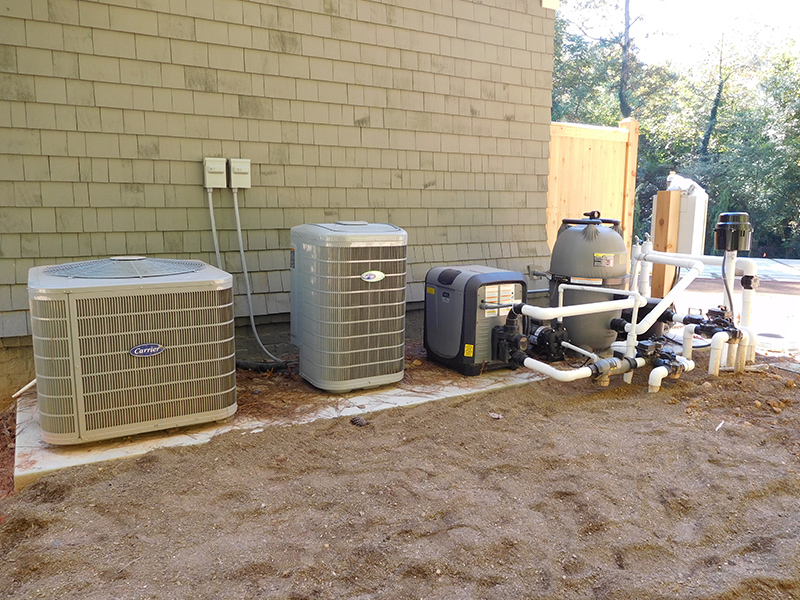
An HVAC maintenance plan in Atlanta usually gets pitched at the worst possible moment, right after a technician has already fixed whatever brought them out to the house. That timing makes it hard to tell whether the offer is genuinely useful or just an upsell tacked onto an invoice. The honest answer sits somewhere in between, and it depends heavily on what the plan actually covers.
Atlanta's climate asks a lot of an HVAC system. Systems run cooling for most of the year and heating hard enough in the winter that neglecting either side shows up fast, usually as a breakdown at the worst possible time. That workload is exactly why maintenance plans exist in the first place, but not every plan on the market delivers enough value to justify its price.
This guide breaks down what a typical plan includes, what these plans actually cost across the Atlanta market, when the math genuinely works in a homeowner's favor, and the questions worth asking before signing anything.
In this article, you will learn about:
Keep reading to see whether the plan you're being offered actually matches what a preventive maintenance agreement should include, or whether it's thinner than it looks.
Maintenance plans vary more than most homeowners expect, and two plans that look identical on a sales flyer can deliver very different amounts of actual service. The details matter more than the marketing language around them.
Nearly half of a typical home's energy use goes toward heating and cooling, and the U.S. Energy Information Administration reports that space heating and air conditioning together account for 52 percent of household energy consumption. A plan that genuinely keeps that system tuned is protecting the single largest line item on a utility bill, not just preventing breakdowns.
A real tune-up covers more ground than a filter swap. At minimum, a spring cooling visit and a fall heating visit should each include checking refrigerant levels, testing electrical connections, inspecting the blower and coils, and confirming the thermostat is calibrated correctly.
Skipping any one of these steps year after year adds up. According to ENERGY STAR, airflow problems alone can reduce a system's efficiency by up to 15 percent, and that is just one item on a proper maintenance checklist. A fall tune-up that only checks the furnace and skips the electrical and airflow inspection is not doing the job a plan is supposed to cover.
A real plan should also confirm the technician is actually changing the filter at each visit rather than leaving that task for the homeowner to remember between appointments.
Priority scheduling sounds like a minor perk until the hottest week of July arrives and every HVAC company in the region is booked out for days. Plan members typically get moved ahead of non-members in the queue, which can be the difference between a same-day fix and a multi-day wait with no cooling.
This benefit matters most in Atlanta specifically because of how compressed the demand spikes are. A repair services call during a heat wave without priority status can mean waiting through the exact stretch of weather when a home needs cooling the most.
Most plans include a discount on repairs performed outside the covered tune-up visits, typically in the 10 to 20 percent range. That discount only matters if the household actually needs a repair during the plan period, so it should be treated as a possible bonus rather than the main reason to sign up.
A few things affect how much this discount is actually worth:
Reading the fine print on what's actually discounted prevents a homeowner from assuming a benefit exists that the plan never actually promised.
Pricing on HVAC maintenance plans varies more than most other home services because it depends on the number of systems, their age, and what the plan bundles in beyond the basic tune-up visits.
A single-system residential plan covering one AC unit and one furnace or heat pump typically runs in a range that most Atlanta homeowners can compare across providers by asking exactly what two things are included: the number of visits per year and whether both heating and cooling equipment are covered under the same fee.
Comparing an AC tune-up sold individually against the same visit bundled into a plan is usually the clearest way to see whether the plan pricing actually saves money or just spreads the same cost across the year.
Homes with two or more HVAC systems, larger square footage, or older equipment generally pay more for a maintenance plan, since each additional system means an additional visit and older equipment tends to need closer inspection. A system diagnostics check during the first visit on an older system often takes longer than a routine check on newer equipment, and some providers price around that difference.
Homes across Atlanta all fall under a similar climate load, so the biggest price variable within the metro tends to be the equipment itself rather than the specific city.
The same holds in Decatur, where similar building ages mean similar plan pricing. Decatur households often pair a plan with the same maintenance services that a standalone visit would cover, just spread across the year instead of billed all at once.
Peachtree Corners sees comparable pricing as well. Homes there often benefit from a plan that checks ventilation and indoor comfort alongside the standard tune-up.
Norcross follows the same pattern. The seasonal guidance used there to prevent summer AC breakdowns is essentially what a good maintenance plan is designed to deliver automatically.
Many providers offer more than one tier, and the difference usually comes down to a handful of add-ons:
Higher tiers are not automatically the better deal. A household with a newer system and no unusual air quality concerns may get very little extra value from a premium tier, while a household with an older system or a family member with respiratory sensitivities may find the added coverage genuinely useful.
A premium tier that bundles in a ventilation services check is worth the extra cost mainly for households already dealing with a specific air quality complaint, rather than as a blanket upgrade for everyone.
The value of a maintenance plan comes down to whether the visits and discounts it provides actually offset what a homeowner would otherwise spend on separate tune-ups, higher energy bills, and unplanned repairs.
Systems that get consistent, twice-a-year attention tend to run longer before a major component fails, largely because small issues get caught and corrected before they force the whole system to work harder to compensate. This is essentially the case for treating maintenance as something that can extend system lifespan, rather than something that only matters once a year on paper.
Sealing and insulating ductwork alone, something a thorough maintenance visit often catches, can improve efficiency by as much as 20 percent, according to ENERGY STAR.
A heat pump in particular benefits from this kind of consistency, since its components run through more operating cycles across both heating and cooling seasons than a cooling-only system does.
A system running below its intended efficiency does not just cost more to operate. It runs longer to hit the same comfort level, which adds wear that shortens the equipment's useful life on top of the higher bill. The two problems compound each other rather than staying separate.
Comparing a system's actual performance against its rated SEER rating is one of the clearest ways to see how much ground has been lost to neglect versus normal aging.
Homeowners who track their utility bills before and after starting a maintenance plan often notice the difference within the first full season, particularly during the months when the system runs the hardest. A cleaning and inspection visit that actually addresses dirty coils and blocked airflow is usually where that improvement comes from.
A maintenance plan is not automatically the right call for every household. It tends to make less sense in a few specific situations:
In any of these cases, it is worth doing the math on standalone visits before assuming a plan is the default best option.
A brand-new system that just went through proper installation services usually comes with enough manufacturer coverage that a separate maintenance plan can wait a year or two before it adds real value.
A maintenance plan is essentially a service contract, and treating it that way before signing prevents most of the disappointment homeowners report after the fact.
Some plans run month to month, while others lock in a full year or longer with a cancellation fee attached. Before signing, it is worth asking directly whether the plan auto-renews, what notice is required to cancel, and whether any prorated refund applies if the household moves or sells the home mid-term.
A plan tied to upgrade incentives, such as a discount on a future system replacement, is worth reading closely, since those incentives sometimes come with stricter cancellation terms than the base maintenance coverage does.
Some companies send the same technician to a home every visit, which builds useful familiarity with that specific system over time. Others rotate technicians through a larger service area, which can mean less continuity but faster scheduling.
Asking whether visits are performed by employees or subcontractors, and whether common AC problems found during a tune-up trigger an immediate quote or a separate follow-up appointment, clarifies what the actual customer experience will look like month to month.
Every plan has exclusions, and the ones worth confirming before signing include whether the plan covers systems over a certain age, whether it excludes specific repairs like refrigerant leaks, and whether a missed visit due to scheduling conflicts can be made up later in the year.
Households running a smart thermostat or a whole-home humidity system should also confirm whether those components are included in the tune-up scope or billed separately, since add-on equipment is a common gap in otherwise solid plans.
Confirming that air conditioner maintenance is explicitly included closes one common gap. Confirming that heating maintenance is included too, rather than just one side of the system, closes the other.
An HVAC maintenance plan in Atlanta can genuinely pay for itself through fewer breakdowns, better efficiency, and priority scheduling during the exact weeks when demand for service peaks. Whether it does depends entirely on what a specific plan covers and how it compares to what a household would otherwise spend on standalone visits.
The households that get the most value tend to be the ones with older or multiple systems, since the tune-up visits and repair discounts have more to work with. Households with newer equipment and no unusual complications may still benefit, but the margin is thinner, and it is worth running the numbers before assuming a plan is automatically worthwhile.
Reading the coverage details closely, rather than relying on the pitch that comes with a service call, is what separates a plan that actually protects a system from one that just adds a recurring charge. B. Tucker Heating & Air can walk through what a maintenance plan would actually look like for your specific system and household before you commit to anything.


