
Open : 9:00am to 5:00pm weekdays


Office Address
4025 Pleasantdale Rd, Suite 250 Atlanta, GA 30340

Phone Number
404-298-1314

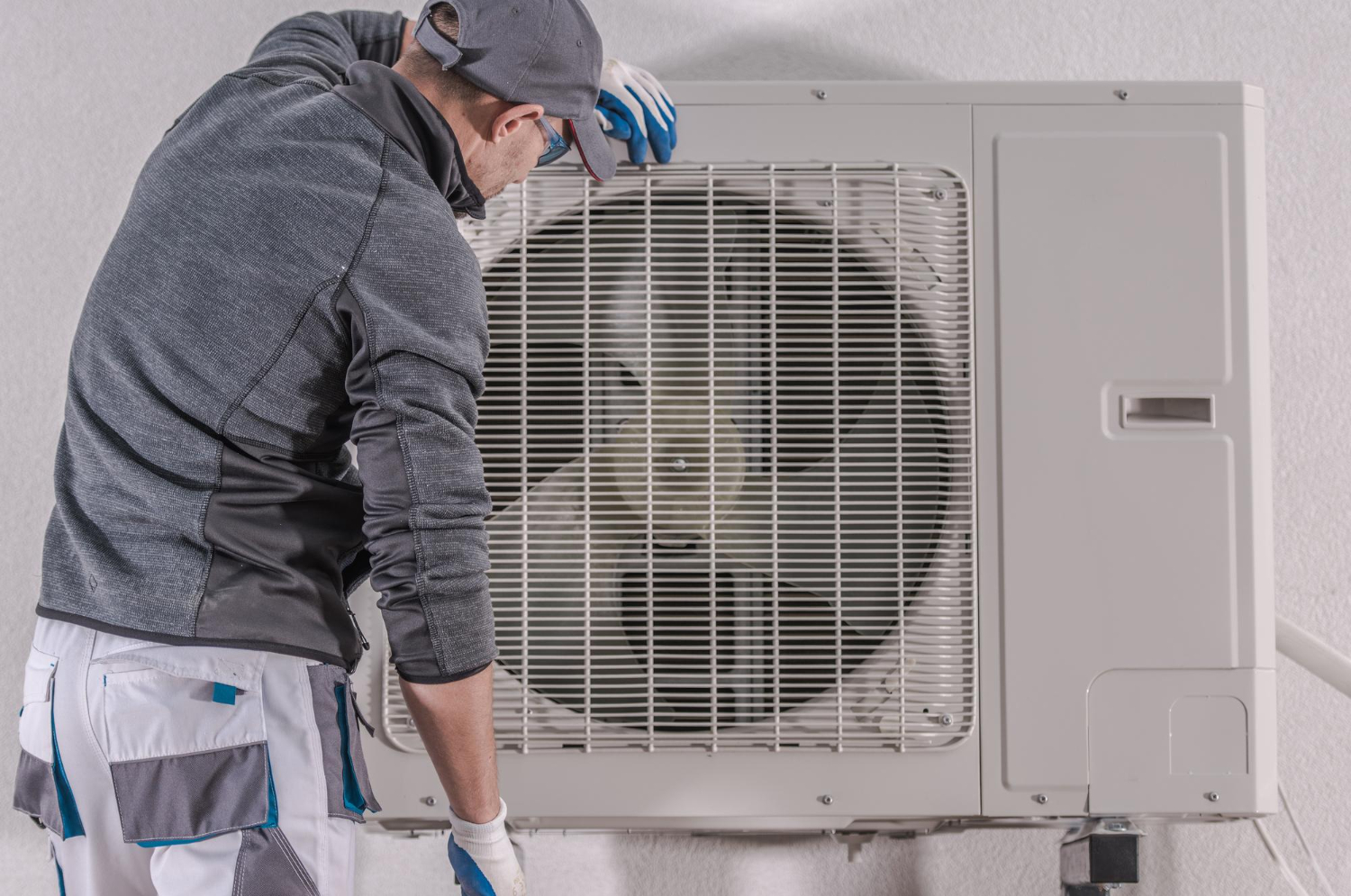
Professional HVAC system diagnostics in Atlanta identify the exact cause of heating and cooling problems so you can get the right repair the first time.
Your HVAC system works hard to keep your Atlanta home comfortable all year long. When something goes wrong, quick and accurate diagnostics can save you time, money, and stress.
Instead of guessing what's wrong or replacing parts that don't need replacing, trained technicians use specialized tools and methods to find the real issue. This approach gets your system back up and running faster.
This guide walks you through what HVAC diagnostics involve, when you should schedule a checkup, and how to find quality service in the Atlanta area.
Here's what you need to know:
You'll learn what to expect during the diagnostic process and why regular system evaluations help prevent bigger problems down the road.
HVAC diagnostics involve systematic testing to identify problems in your heating and cooling system before they cause major breakdowns. Professional technicians use specific methods to check system performance, find inefficiencies, and detect equipment failures early.
HVAC diagnostics start with checking the conditions that must be true for your system to work properly. Technicians measure temperatures, pressures, and electrical values at specific points in your system. They test individual components like the compressor, blower motor, and thermostat to see if each part does its job correctly.
During a diagnostic visit, technicians inspect your ductwork for leaks and blockages. They check refrigerant levels and look for signs of leaks in the lines. The electrical connections get tested to make sure voltage and amperage match what the equipment needs.
Your system's airflow gets measured to confirm it moves enough air through your home. Technicians also examine the condensate drain to prevent water damage. They verify that safety controls work as designed and that your thermostat communicates properly with your equipment.
Diagnostics often reveal refrigerant leaks that reduce cooling power and raise energy bills. Low refrigerant means your air conditioner runs longer without reaching the set temperature. Dirty coils block heat transfer and force your system to work harder than necessary.
Failing capacitors show up during electrical testing and can stop your system from starting. Worn blower motors make unusual noises and struggle to move air through your home. Clogged air filters restrict airflow and cause your system to overheat or freeze up.
Thermostat problems create temperature swings and prevent your system from cycling correctly. Duct leaks waste conditioned air in attics or crawl spaces where you don't need it. Drainage clogs cause water to back up and potentially damage your ceiling or walls.
Professional diagnostics save you money by finding small problems before they damage expensive parts. A technician spots a weak capacitor before it burns out your compressor motor. Regular inspections catch refrigerant leaks when they're small and cheap to fix.
Residential HVAC troubleshooting requires specialized tools that measure refrigerant pressures, electrical current, and temperature differences accurately. Technicians know which readings indicate normal operation and which point to specific failures. They understand how different parts of your system depend on each other.
Professional inspections also improve your system's energy efficiency. A technician adjusts airflow and checks that your equipment runs at the right temperatures and pressures. These adjustments reduce your utility bills and help your equipment last longer.
Your HVAC system needs regular attention to avoid unexpected breakdowns and keep energy costs down. Atlanta's climate requires specific timing for AC and furnace service to handle hot summers and cold winter nights.
You should schedule HVAC checkups twice per year to keep your system running properly. Book your air conditioning service in early spring, ideally in March or April, before temperatures rise. This gives technicians time to find and fix problems before you need cooling.
Schedule furnace maintenance in early fall, around September or October, before heating season starts. Atlanta winters can drop below freezing, so your furnace needs to work when temperatures fall.
Best times to schedule:
These biannual visits help your system last longer and prevent most breakdowns. Technicians clean parts, check refrigerant levels, test safety controls, and make adjustments during these appointments.
Some problems need attention right away, even between scheduled maintenance visits. Call for service if you notice strange noises like grinding, squealing, or banging from your system. These sounds often mean worn parts that could fail soon.
Watch for weak airflow from your vents or rooms that stay too hot or cold. Sudden increases in your energy bills without changes in usage also signal problems.
Other urgent signs include:
Atlanta homes need professional HVAC inspections at least twice per year. Your AC works hard during long, humid summers, while your furnace handles winter cold snaps. This heavy use in both seasons requires regular attention.
Older systems over 10 years need more frequent checks, possibly every four months. Homes with pets should also consider extra filter changes and inspections because pet hair clogs systems faster.
If you use a maintenance plan through an Atlanta AC and furnace service company, you get scheduled visits and priority service. Most plans include two annual tune-ups that cover common failure points and keep your warranty valid.
HVAC diagnostics follow a systematic approach to identify problems affecting your heating and cooling system's performance. Technicians examine airflow patterns, test electrical connections, and measure energy consumption to pinpoint specific issues.
Your HVAC system relies on proper airflow to distribute heated or cooled air throughout your home. Technicians start by checking air filters, vents, and registers for blockages that restrict airflow.
A ductwork inspection reveals leaks and disconnected sections that waste energy. Studies show that duct leakage increases your heating and cooling costs by about 30%. Technicians use specialized pressure testing equipment to measure how much air escapes through gaps and holes in your duct system.
According to the U.S. Department of Energy (DOE), ducts that leak heated or cooled air into unconditioned spaces like attics can add hundreds of dollars per year to your heating and cooling bills — making ductwork inspection a critical component of any professional HVAC diagnostic visit.
They also assess whether your ductwork is properly sized for your home. Undersized ducts create excess noise and reduce comfort. Oversized ducts waste energy and reduce system efficiency.
Faulty electrical connections create serious problems, from complete system failure to irregular operation. Your technician checks all wiring, terminals, and connections for damage or corrosion.
They test critical components like capacitors, contactors, and relays using multimeters and specialized diagnostic tools. The blower motor, compressor, and fan motors receive thorough inspection for proper operation. Refrigerant levels and pressures are measured to ensure your system has the correct charge.
Mechanical parts like belts, bearings, and pulleys are examined for wear. Your technician looks for unusual sounds or vibrations that signal developing problems.
According to the U.S. Department of Energy (DOE), home heating alone typically makes up about 29 percent of a household's utility bill, and combining proper equipment maintenance with recommended insulation, air sealing, and thermostat settings can reduce overall energy bills by about 30 percent while lowering environmental emissions.
Technicians measure your system's actual performance against manufacturer specifications. They check temperature differences between supply and return air to verify proper heating and cooling output.
Energy consumption tests identify whether your system uses more power than it should. High energy usage often points to worn components, dirty coils, or improper settings. Your technician compares current readings to baseline efficiency standards.
They also evaluate thermostat calibration and system cycling patterns. A system that runs too frequently or for extended periods wastes energy and increases your utility bills.
Regular diagnostics catch small problems before they turn into expensive repairs. These detailed check-ups also keep your home comfortable and help your HVAC system last longer.
Preventive diagnostics help you avoid costly emergency repairs. When technicians find worn parts early, you can replace them before they fail completely. A small repair now costs much less than a full system replacement later.
Your energy bills stay lower when your system runs efficiently. Diagnostic tests measure how much power your HVAC uses and identify parts that waste energy. Clean filters, calibrated thermostats, and properly charged refrigerant all reduce monthly costs.
Per the U.S. Department of Energy (DOE), heating and cooling typically account for 43 percent of a home's total utility bill — and by combining proper equipment maintenance and upgrades with the right settings, homeowners can reduce that energy use by 20 to 50 percent.
Most diagnostic visits cost between $80 and $200, but they often save you hundreds or thousands in avoided repairs. Technicians can spot refrigerant leaks, electrical issues, and failing motors during these visits. Fixing these problems early prevents damage to other system components.
Energy-efficient HVAC Atlanta systems perform best with regular testing. Diagnostics ensure your equipment maintains its efficiency rating over time.
Diagnostic tests identify airflow problems that create hot and cold spots in your home. Technicians check duct connections, fan speeds, and air distribution to ensure even temperatures throughout every room.
Your indoor air quality improves when diagnostics reveal dirty filters, blocked vents, or mold growth. These issues affect your breathing and can trigger allergies. Technicians test ventilation rates and check for contaminants during diagnostic visits.
System diagnostics also measure humidity levels in your home. Too much moisture encourages mold growth, while too little causes dry skin and respiratory discomfort. Proper testing helps maintain healthy humidity between 30% and 50%.
HVAC systems typically last 15 to 20 years with proper care. Regular diagnostics extend this lifespan by reducing wear on critical components. Your equipment experiences less stress when it operates at peak efficiency.
Diagnostic testing prevents minor issues from causing major damage. A failing capacitor can burn out your compressor if left unchecked. Catching problems early protects expensive parts from premature failure.
Technicians document system performance during each diagnostic visit. These records show how your equipment changes over time and help predict when major components might need replacement. You can plan for future expenses instead of facing surprise breakdowns.
Finding a qualified HVAC diagnostic provider requires attention to licensing, customer feedback, and service agreements that protect your investment. These factors directly impact the quality of your system inspection and long-term performance.
Licensed technicians with proper certification understand Georgia's specific climate demands and building codes. They complete ongoing training to diagnose modern HVAC systems accurately. Atlanta's humidity and temperature swings create unique wear patterns that local experts recognize quickly.
Your diagnostic service should employ technicians certified by organizations like NATE (North American Technician Excellence). These credentials verify technical knowledge across different system types. Local companies also maintain relationships with parts suppliers in the Atlanta area, which speeds up repairs after diagnostics.
Ask potential providers about their experience with your specific HVAC brand and model. Technicians who regularly service major residential systems can spot problems faster than generalists. They bring specialized tools designed for thorough system checkups rather than basic inspections.
Online reviews reveal how companies handle diagnostic appointments and follow-up service. Look for patterns in feedback about punctuality, honest findings, and clear explanations of problems. Atlanta has numerous HVAC providers, so you can be selective about reputation.
Check multiple review platforms to get a complete picture. Some companies excel at quick response times while others provide more detailed written reports. Pay attention to how businesses respond to negative reviews, as this shows their commitment to customer satisfaction.
Verify that the company carries proper insurance and bonding. This protects your property during diagnostic work. Ask about their scheduling flexibility and emergency availability, especially during peak seasons when HVAC issues spike.
Many Atlanta HVAC companies offer maintenance plans that include regular diagnostic visits. These agreements typically cost less than paying for individual inspections. Plans often include priority scheduling and discounts on repairs discovered during diagnostics.
Service guarantees protect you if the diagnostic work misses problems or recommends unnecessary repairs. Read the terms carefully to understand what's covered. Some providers offer warranties on diagnostic findings for 30-90 days.
Common maintenance plan features:
Compare plan costs against your system's age and condition. Older systems benefit more from regular diagnostic monitoring than newer equipment still under manufacturer warranty.
Professional HVAC diagnostics in Atlanta protect your comfort and budget by identifying minor issues (like low refrigerant or dirty coils) before they become expensive failures. Scheduling biannual checkups (AC in spring, furnace in fall) ensures systems are ready for Atlanta's intense weather, preventing surprise breakdowns.
Regular diagnostics offer key benefits: preventing costly emergency repairs, ensuring peak energy efficiency to lower utility bills, improving indoor air quality and comfort, and significantly extending the lifespan of your units.
Choose a reliable Atlanta HVAC service with NATE-certified technicians and local expertise. Look for excellent reviews and consider a maintenance plan. Prioritizing HVAC diagnostics is a smart, long-term investment in your system's reliability, efficiency, and longevity.
Contact B. Tucker HVAC to schedule a professional HVAC system diagnostic and get an accurate assessment of your Atlanta home's heating and cooling system before a small issue becomes a costly breakdown.


