
Open : 9:00am to 5:00pm weekdays


Office Address
4025 Pleasantdale Rd, Suite 250 Atlanta, GA 30340

Phone Number
404-298-1314

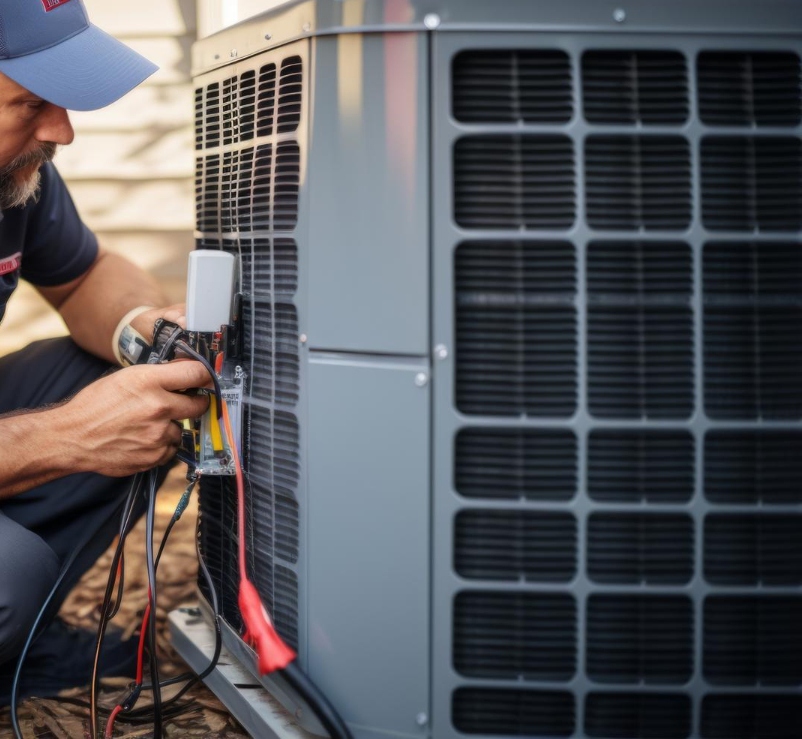
Regular heat pump servicing in Atlanta keeps your system running efficiently, extends its lifespan, and helps you avoid expensive emergency repairs.
According to the U.S. Department of Energy (DOE), homeowners should have a professional technician service their heat pump at least once a year — with service including inspection of ducts, filters, and indoor coils, refrigerant charge verification, electrical connection testing, and thermostat calibration to ensure the system functions at optimal efficiency.
Heat pumps work hard year-round in Atlanta's climate, providing both cooling during hot summers and heating when temperatures drop. These systems need regular care to run efficiently and avoid unexpected breakdowns. Without proper maintenance, you might face higher energy bills, uncomfortable temperatures in your home, or costly repairs.
Atlanta's mild winters and humid summers put unique demands on heat pumps that make scheduled maintenance especially important. A well-maintained system can save you money on monthly utility costs while keeping your home comfortable throughout the year.
This guide covers everything you need to know about heat pump servicing in Atlanta, from maintenance schedules to cost expectations.
Below, we'll walk through each important aspect:
Keep reading! Understanding when to service your heat pump, what the process involves, and how to choose a qualified technician helps you protect your investment.
Heat pumps work year-round in Atlanta's unique climate, and regular professional servicing protects your investment while keeping your home comfortable. Proper maintenance reduces energy costs, prevents breakdowns, and extends your system's lifespan.
Atlanta's weather puts specific demands on your heat pump that affect how often it needs attention. The system switches between heating and cooling modes throughout the year as temperatures fluctuate between cold winter mornings and hot, humid summers.
High humidity levels during summer months make your heat pump work harder to remove moisture from indoor air. This constant operation increases wear on components like the compressor and fan motors.
Pollen and outdoor debris are major concerns in Georgia. Atlanta consistently ranks among the worst cities for pollen, and these particles clog filters and coat outdoor coils. When coils get blocked, your system loses efficiency and struggles to transfer heat properly.
Winter operation in Atlanta creates its own challenges. While temperatures rarely drop below freezing for extended periods, the frequent cycling between heating and cooling modes stresses your equipment more than systems in climates with distinct seasons.
According to the U.S. Department of Energy (DOE), today's heat pumps can reduce electricity use for heating by up to 75 percent compared to electric resistance heating — but that performance advantage depends directly on keeping the system clean, properly charged with refrigerant, and operating within manufacturer specifications through scheduled maintenance.
Regular servicing keeps your heat pump running at peak efficiency, which directly reduces your monthly energy bills. A well-maintained system uses 15-25% less energy than a neglected one.
Professional maintenance catches small problems before they become expensive repairs. Replacing a worn belt or cleaning dirty coils costs far less than fixing a burned-out compressor or replacing refrigerant lines.
Key financial benefits include:
Most Atlanta homeowners spend between $150-300 annually on preventive maintenance. Compare this to $500-2,000 for major repairs or $5,000-15,000 for premature system replacement.
Neglected heat pumps develop problems that compromise your comfort and safety. Dirty coils and clogged filters force your system to run longer cycles, driving up energy costs while delivering inconsistent temperatures throughout your home.
Refrigerant leaks go undetected without regular inspections. Low refrigerant levels damage the compressor and reduce heating and cooling capacity. These leaks also release harmful chemicals into the environment.
Electrical connections loosen over time from constant vibration and temperature changes. Loose wiring creates fire hazards and causes system failures during peak usage periods when you need heating or cooling most.
Indoor air quality suffers when filters and coils aren't cleaned regularly. Mold, bacteria, and allergens circulate through your home, affecting your family's health.
Your manufacturer's warranty often requires documented annual maintenance. Skipping service appointments can void warranty coverage, leaving you responsible for the full cost of major component failures.
Atlanta's climate demands year-round use of heat pumps, making regular maintenance essential for reliable performance. Proper timing of service visits helps prevent breakdowns during peak heating and cooling seasons while keeping energy costs down.
Heat pumps in Atlanta work harder than most HVAC systems because they run throughout the year. You should schedule maintenance twice annually to keep your system running efficiently.
Spring maintenance prepares your heat pump for the cooling season. Schedule this service in March or April, before temperatures climb into the 80s and 90s. A technician will focus on components that handle cooling loads, ensuring your system can manage Atlanta's humid summers.
Fall maintenance gets your heat pump ready for heating season. Book this appointment in October or November, before winter temperatures arrive. Even though Atlanta winters are mild, your heat pump still needs to switch efficiently between heating and cooling modes.
This twice-yearly schedule addresses the unique demands placed on heat pumps. Single-season systems like furnaces or air conditioners only need annual service, but heat pumps require more frequent attention due to continuous operation.
Some issues require immediate service rather than waiting for your scheduled maintenance. Watch for these warning signs that indicate problems with your system.
Temperature inconsistencies mean your heat pump struggles to maintain comfort. If some rooms feel too hot or too cold, or if your system can't reach the thermostat setting, schedule service right away.
Unusual sounds like grinding, squealing, or rattling indicate mechanical problems. Normal operation produces a quiet hum, but loud or strange noises require professional inspection.
Higher energy bills without increased usage suggest your heat pump works inefficiently. Compare your current bills to the same months in previous years to spot significant increases.
Short cycling happens when your system turns on and off frequently. This pattern wastes energy and puts excess wear on components.
Ice buildup on outdoor units during winter or reduced airflow from vents also signal the need for immediate HVAC maintenance Atlanta professionals can address.
Your heat pump needs professional maintenance every six months to maintain optimal performance. This schedule applies to most Atlanta homes using heat pumps as their primary HVAC system.
Schedule one visit in spring (March-April) and another in fall (October-November). These appointments ensure your system operates efficiently when you need it most.
Between professional visits, you should perform basic maintenance tasks monthly. Change or clean air filters every 30-60 days depending on usage and household conditions. Keep the outdoor unit clear of debris, leaves, and vegetation.
Homes with pets, allergies, or higher usage may need more frequent filter changes and additional service visits. Consult with your HVAC technician about a customized maintenance plan based on your specific needs.
Regular residential heat pump service involves three main tasks: checking and cleaning internal parts, testing refrigerant and electrical systems, and adjusting settings for better performance.
A technician starts by examining the outdoor and indoor units for visible damage or wear. They check the fan blades, coils, and housing for debris like leaves, dirt, or dust that can block airflow.
The evaporator and condenser coils get special attention during an Atlanta heat pump inspection. Dirty coils make your system work harder and use more energy. The technician cleans these coils using specialized tools and solutions.
Air filters need inspection and often replacement. Clogged filters restrict airflow and reduce efficiency. The technician also cleans the blower assembly and checks the drain pan and condensate line for blockages that could cause water damage.
The outdoor unit's fins get straightened if bent. Even small damage to these fins affects airflow. Your technician will also clear any vegetation or objects within two feet of the unit.
Your technician measures refrigerant levels to make sure they match manufacturer specifications. Low refrigerant means your heat pump can't heat or cool properly. High levels can damage the compressor.
They look for refrigerant leaks using detection tools. Any leaks get sealed before adding more refrigerant.
The electrical inspection covers all connections, terminals, and wiring. Loose connections create heat and fire hazards. The technician tightens connections and replaces worn wires.
They test the capacitors and contactors that help start and run the motors. These parts wear out over time. The amperage draw gets measured to verify motors run within normal ranges.
The thermostat gets tested for accuracy. A thermostat that reads wrong by even a few degrees wastes energy. Your technician calibrates or recommends replacing faulty thermostats.
They measure temperature split between supply and return air. This tells them if your heat pump heats and cools at the right capacity. Improper splits point to refrigerant or airflow problems.
The defrost cycle gets tested to make sure it activates correctly in heating mode. A faulty defrost system leaves ice on outdoor coils.
Finally, the technician adjusts airflow through dampers if needed. Balanced airflow keeps all rooms comfortable and prevents strain on the system.
Finding a qualified heat pump service provider involves checking their credentials, reading customer feedback, and understanding what guarantees they offer. These factors help you avoid costly mistakes and ensure your system gets proper care.
A legitimate heat pump service provider must hold proper Georgia state licensing and certification. NATE (North American Technician Excellence) certification shows that technicians have passed industry-standard tests and understand modern heat pump systems.
Look for companies with at least 10-15 years of experience working specifically in Atlanta's climate. Local experience matters because providers familiar with the area understand how humidity and temperature swings affect heat pump performance. They know which systems work best for Georgia homes.
Ask potential providers about their training programs and manufacturer certifications. Companies that regularly train their staff stay current with new heat pump technology and repair methods. Check if they're insured and bonded to protect your property during service calls.
Check reviews on Google, Yelp, and the Better Business Bureau before hiring any provider. Pay attention to comments about response times, pricing transparency, and work quality. Look for patterns in feedback rather than focusing on single reviews.
Reliable providers should offer emergency services and respond to urgent calls within 24 hours. Ask about their typical response time for non-emergency appointments. Companies with good track records will have consistent positive feedback about showing up on time and completing work as promised.
Watch for red flags like numerous complaints about surprise charges or incomplete repairs. A provider's willingness to address negative reviews shows their commitment to customer satisfaction.
Quality service providers offer warranties on both parts and labor. Standard warranties typically cover repairs for 1-2 years, while some companies provide longer coverage. Get warranty terms in writing before any work begins.
Maintenance plans provide regular tune-ups that keep your heat pump running efficiently. These plans usually include two annual visits, priority scheduling, and discounts on repairs. Annual maintenance costs range from $150-$300 but can prevent expensive breakdowns.
Compare what different maintenance plans include. Some cover filter replacements, refrigerant checks, and electrical testing. Plans that include parts discounts can save you money on future repairs.
Per the U.S. Department of Energy (DOE), when properly installed and maintained, an air-source heat pump can deliver two to four times more heat energy to a home than the electrical energy it consumes — because it transfers heat rather than generating it, making regular servicing essential to preserving that efficiency advantage.
Heat pump servicing costs in Atlanta vary based on whether you need routine maintenance or repairs. Regular tune-ups typically cost less than fixing broken components, and several factors affect your final bill.
A standard heat pump tune-up in Atlanta includes cleaning coils, checking refrigerant levels, inspecting electrical connections, and testing system performance. Most companies offer annual maintenance plans that can lower this cost.
Heat pump repair Atlanta costs depend on what needs fixing. Minor repairs like replacing a capacitor or cleaning a clogged drain line, mid-range repairs such as fixing refrigerant leaks or replacing fan motors or major repairs like compressor replacement can reach $1,200 to $2,500.
Emergency service calls outside normal business hours add to your base repair cost. Some contractors charge a diagnostic fee of $50 to $100, which may be waived if you approve the recommended repairs.
Your system's age affects repair costs since older units need harder-to-find parts. Heat pumps over 10 years old typically cost 20-30% more to repair than newer models.
The size of your unit matters. Larger systems serving bigger homes require more refrigerant and larger components, increasing both parts and labor costs. System accessibility also plays a role. Units installed in tight attics or crawl spaces take longer to service.
Labor rates in Atlanta range from $75 to $150 per hour depending on the company's experience and certifications. Peak seasons (summer and winter) often bring higher prices due to increased demand.
Schedule annual maintenance in spring or fall when demand is lower and contractors offer discounted rates. This preventive service catches small issues before they become expensive repairs.
Change your air filter every 1-3 months to prevent dirt buildup that strains your system. Keep the outdoor unit clear of debris, leaves, and vegetation within two feet of the unit.
Join a maintenance plan offered by local HVAC companies. These plans typically cost $150-$300 annually and include two tune-ups plus discounts on repairs (usually 10-15% off). Compare at least three service providers to find competitive pricing without sacrificing quality.
Your heat pump needs regular professional attention to work properly year-round. Atlanta's climate puts unique demands on these systems since they run in both summer heat and winter cold.
Finding the right service provider matters. Look for companies with certified technicians who understand heat pump systems specifically. These systems work differently than traditional HVAC units and require specialized knowledge.
Don't wait until your system breaks down. Regular servicing twice a year helps you avoid emergency repairs. Spring and fall are the best times to schedule maintenance before peak seasons start.
Your heat pump should last 10 to 15 years with proper care. Without regular service, you might face expensive repairs or early replacement. Small problems become big ones when ignored.
Most Atlanta HVAC companies offer service plans that include priority scheduling and discounts. These plans often cost less than paying for individual service calls throughout the year.
Keep records of all maintenance and repairs. This information helps technicians diagnose problems faster and proves valuable if warranty issues come up. You'll also know exactly when your last service happened.
Professional heat pump servicing protects your investment and keeps your home comfortable. The money you spend on maintenance saves you more in prevented repairs and lower energy bills.
Contact B. Tucker HVAC to schedule your heat pump servicing in Atlanta and keep your system running efficiently before the next peak season puts extra strain on your equipment.


